Aerial work on a major streaming production does not always look the way people picture it. There is a version of the job that involves dramatic overflights of large-scale sets, sweeping moves across locations that have been dressed for camera, flying in close coordination with the main unit on the day of principal photography. That version exists.
Then there is second unit aerial work, the less visible, equally essential category of aerial coverage that feeds visual effects pipelines, fills establishing shot sequences, and supports the post-production process that turns what was shot on location into what audiences see on screen.
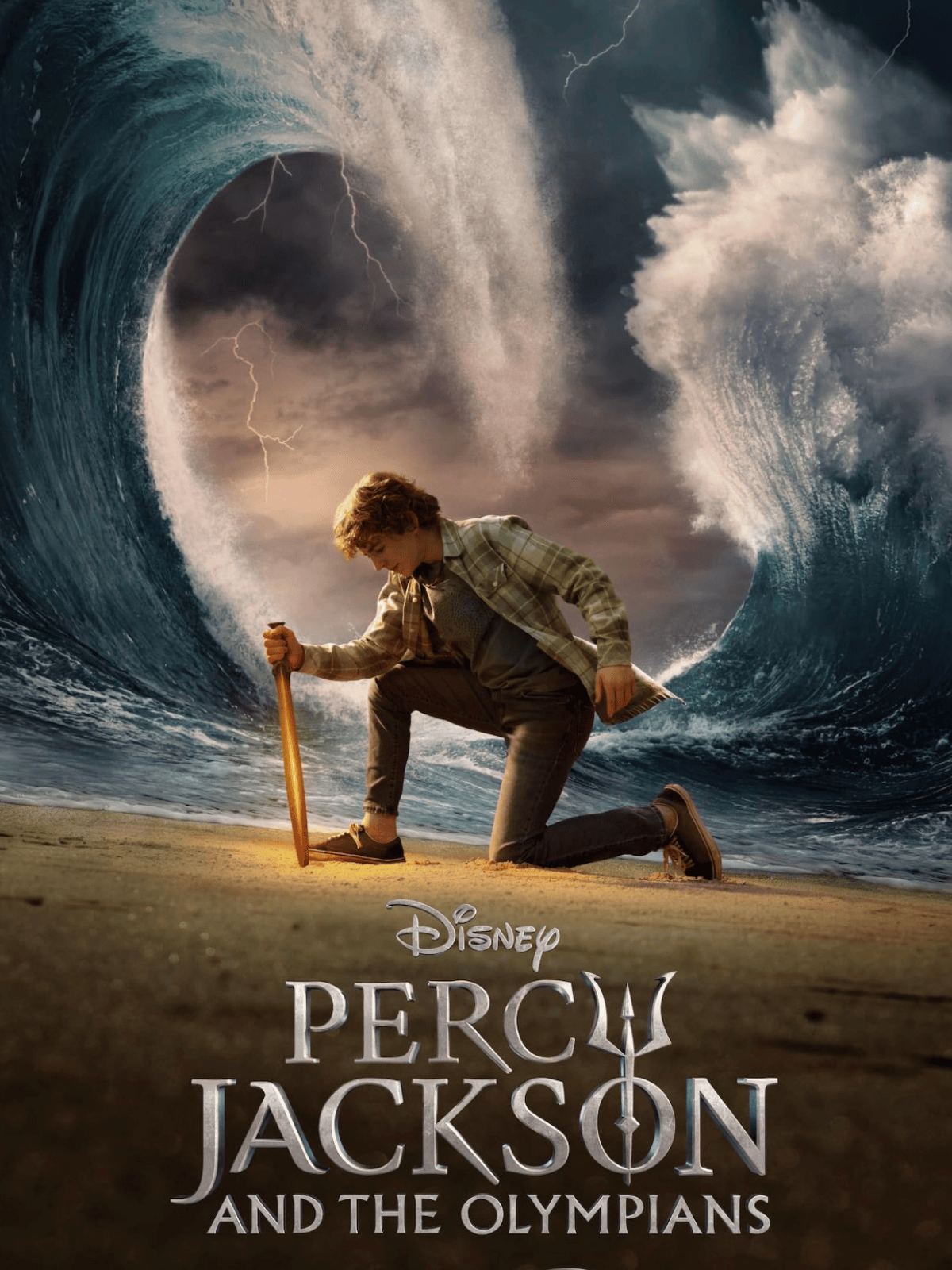
For Percy Jackson and the Olympians on Disney+, we were the second unit aerial team responsible for shooting background plates at Santa Monica Beach.
What Background Plates Are and Why They Matter
A background plate is exactly what the name suggests: footage of a real location captured specifically to serve as the background element in a composite visual effects shot. The background plate is combined in post-production with separately captured foreground elements, actors, set pieces, animated characters, to create a final image that looks like it was shot in a single location but was actually assembled from multiple sources.
For a production like Percy Jackson, which involves locations and environments that blend the real world with a heightened, mythological visual vocabulary, background plate photography is central to the visual effects workflow. The post-production team needs specific views, specific movement patterns, and specific lighting conditions from real locations to build their composites around. The aerial unit’s job is to deliver exactly what the VFX supervisor asks for, in a form that the compositing team can actually use.
The Santa Monica Beach Shoot
Disney contacted us to shoot background plates at Santa Monica Beach for sequences that would be built out in post-production. The belief is that this aerial footage appears in or around the opening sequence of the series, establishing the real-world visual language that the show builds its mythology on top of.
Our role was second unit. We were working directly with the post-production supervisor, not with the main unit director or the primary production crew on their schedule. That coordination model is specific: the second unit aerial team operates with a defined shot list, works against the VFX team’s technical specifications, and delivers footage that the compositors can integrate without modification.
The technical requirements for background plate work are strict. Movement has to be smooth and controllable. Altitude, angle, and focal length have to match the specifications the VFX team provides. Horizon lines, lighting conditions, and camera settings have to be consistent across takes so the plates can be blended with other elements without visible seams. It is precise, methodical work that requires as much technical discipline as any more visually dramatic aerial sequence.
What Production Did Not Have to Handle
Before we flew a single inch of footage for this production, the following was already resolved: FilmLA film permit for Santa Monica Beach, LAANC airspace authorization for the shoot location and time window, liability insurance with the correct parties named on the policy, aircraft pre-flight checks, and a Plan of Activities filed and approved.
Disney’s production team did not coordinate any of that. We handled it entirely in pre-production. The production supervisor’s job on shoot day was to direct us toward the shot list, not to manage a permitting question or verify our credentials on site.
That is the arrangement that works for a major production. The aerial team arrives credentialed, permitted, and ready. The production’s attention stays on the work.
What Second Unit Aerial Looks Like Operationally
Second unit aerial is a different workflow than main unit aerial in one important respect: the shot specifications are driven by technical requirements, not by real-time creative direction from a director on set. You are working from a predetermined list of plates, often with camera specs that have been defined by the VFX supervisor in advance, and your job is to deliver precisely what is on that list.
This requires a different kind of preparation. You have to understand what a compositing team needs from background plate footage: how plates are matched to foreground elements, what movement characteristics create problems in post, what frame rates and formats the VFX pipeline requires. The creative brief for background plate work comes from post-production, not from the director’s eye in the moment.
We have experience coordinating directly with post-production supervisors and VFX teams, delivering plate photography in formats and specifications that drop into the compositing workflow without rework.
Working on a Disney+ Production
Working directly with Disney on a named production series requires the same documentation and compliance posture as any major network or streaming platform. Insurance at the required coverage levels, FAA credentials current and documented, FilmLA permitting confirmed, aircraft airworthy and pre-flighted. No open items on shoot day.
Disney’s production teams are well-organized and specific about what they need. The second unit aerial relationship works because the aerial team handles its own compliance entirely, shows up ready, and delivers the footage to spec. That is the arrangement.
If your production, streaming, feature, or episodic, requires second unit aerial work, background plate photography, or VFX support shooting in Los Angeles or Southern California, book a consultation to discuss your requirements.
Need second unit aerial for a streaming production?
Netflix Approved Vendor. All permitting and airspace authorization handled in-house. We deliver clean, schedulable aerial production that integrates with your ground unit.
Or fill out the contact form. We respond the same day.
Related
For more on aerial second unit work for scripted productions, see our aerial unit for film and TV production service page and our equipment overview at gear, including Inspire 3 with X9 full-frame and Alta 8 heavy lift.