July 5, 2026 ·7 min read
By Jaron Denson, owner and aerial director of photography at Drone Tech Aerial. FAA Part 107 remote pilot, flying productions in Los Angeles since 2012.
DJI Inspire 3 vs Freefly Alta 8: When Each Cinema Drone Wins
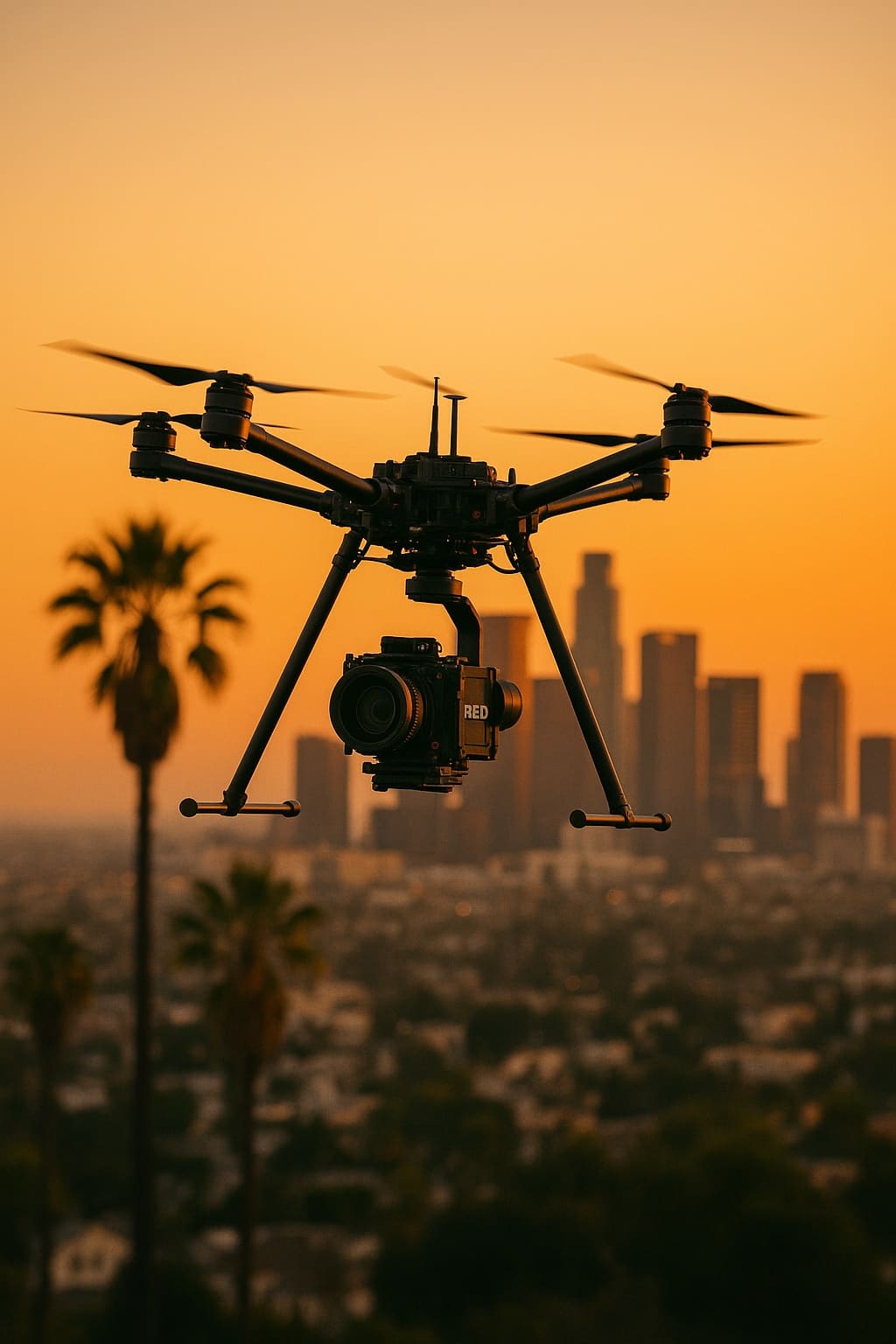
For a Los Angeles film, television, or commercial shoot, the two cinema drone platforms producers see most often on call sheets are the DJI Inspire 3 with the Zenmuse X9 and the Freefly Alta 8 with the ARRI Alexa Mini. Both can carry cinema-grade camera packages. Both deliver footage that cuts to A-camera at major-studio quality. But they solve different problems on the shoot day, and choosing wrong costs production time.
Here is the producer’s reference for when the Inspire 3 is the right call, when the Alta 8 is the right call, and the practical differences that decide it.
The two platforms at a glance
The DJI Inspire 3 is an integrated cinema drone. The aircraft and the Zenmuse X9-8K full-frame camera are designed as a single unit. The camera is fixed to the gimbal, the gimbal is fixed to the aircraft, and the workflow is built around that integration. Setup is fast. Deployment is mobile. The footage is 8K ProRes RAW with full-frame sensor coverage at frame rates up to 75 fps in 8K. Color science is RYYB with DJI’s D-Gamut color space.
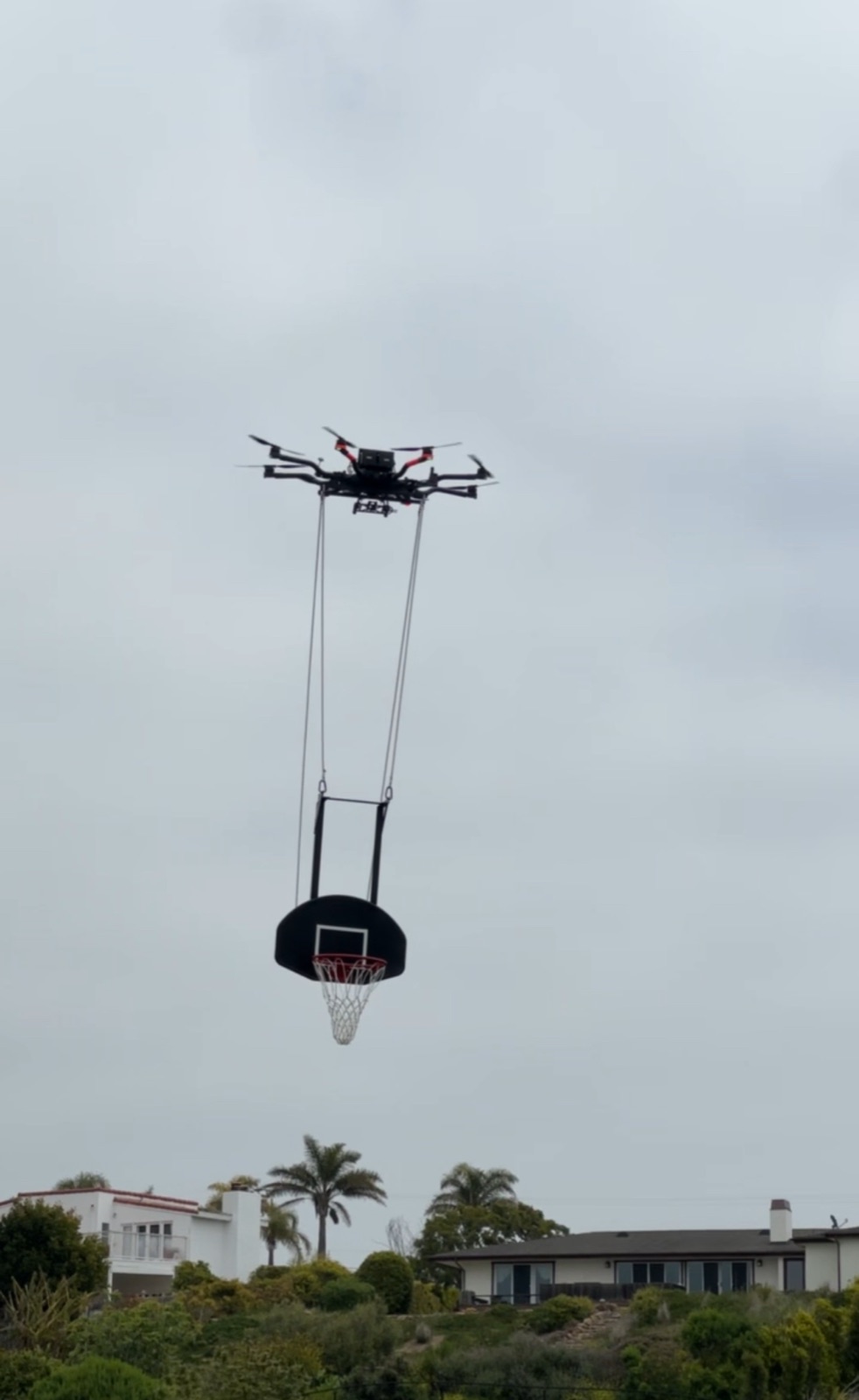
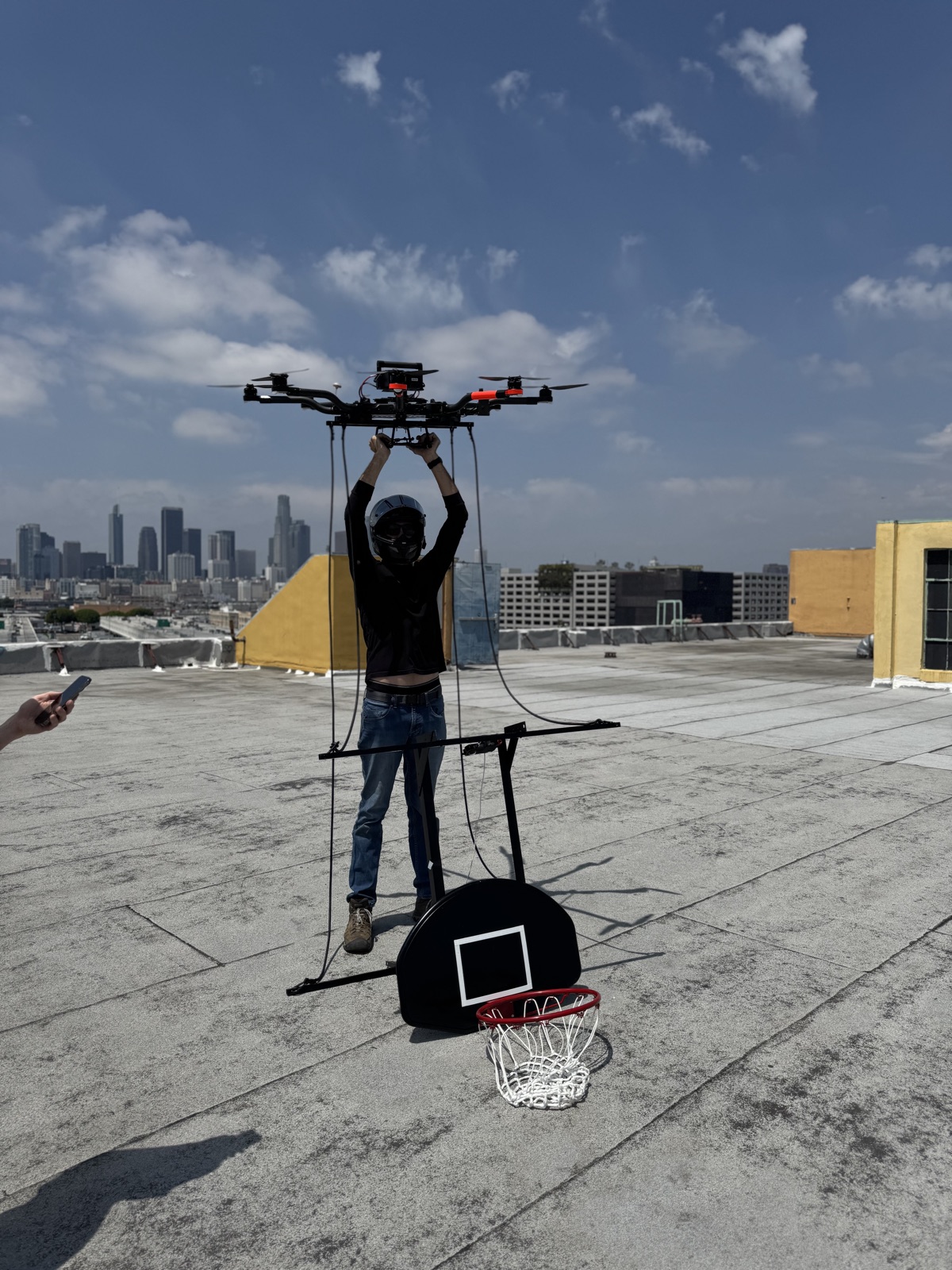
The Freefly Alta 8 is a modular heavy-lift platform. The aircraft itself is camera-agnostic. The gimbal and camera package mount via standard cinema mounting plates. For LA production work, the most common configuration is a Movi gimbal carrying an ARRI Alexa Mini with prime or zoom lenses. Color is whatever the camera package produces, which for Alexa is the well-known LogC color space studios already work with.
The decision between them is not which is “better.” Both are capable cinema platforms. The decision is which fits the camera package, the shot list, and the shoot day logistics.
When the Inspire 3 is the right call
The Inspire 3 wins when speed, mobility, and integration matter more than camera-body flexibility.
Run-and-gun shooting and tight setup windows. The Inspire 3 deploys in under five minutes from case to airborne. The Alta 8 with a full Alexa package takes 20 to 30 minutes to assemble and balance. For shoots with many short setups across multiple locations, that setup time adds up fast.
Tight or restricted operating areas. The Inspire 3’s smaller footprint and quieter rotor signature make it the better choice for stage interiors, urban canyons, residential neighborhoods near sync sound, or any environment where a heavy-lift drone’s size and noise create problems. The Alta 8 with eight rotors at full payload is loud enough to disrupt nearby dialogue or wildlife.
Second-unit and establishing coverage. When the aerial shot is not cutting to A-camera in tight intercut, the Inspire 3’s color delta from Alexa is not a concern. Establishing shots, transitions, and B-roll all live in their own color grade. The Inspire 3 delivers cinema-quality footage for these uses without the integration overhead.
Travel and remote shoots. The Inspire 3 fits in standard production case configurations and crosses borders without freight forwarding. The Alta 8 with ARRI gear is a multi-case kit that requires more coordination on travel days.
Daytime exterior commercials and brand work. Many commercial campaigns shoot in well-lit exterior environments where the Inspire 3’s 8K ProRes RAW with full-frame sensor is more than enough. The simpler workflow saves a half day on production timeline. It is the configuration we bring to most commercial drone production in Los Angeles.
When the Alta 8 is the right call
The Alta 8 wins when the principal camera is Alexa, when the production package needs cinema lens flexibility, or when the shoot requires payload capacity the Inspire 3 cannot deliver.
ARRI Alexa Mini matches in the edit. If the A-camera is shooting Alexa Mini, the aerial unit shooting Alexa Mini means the same sensor, the same lens, the same LogC pipeline. The aerial still passes through the grade like every other setup, but it grades with the show instead of being forced to match a different camera. For productions where aerial cuts directly to A-camera, this is the meaningful difference.
Cinema lens packages. The Alta 8 carries Master Primes, Cooke S4, Hawk anamorphic, and ARRI Signature Primes. The Inspire 3 has a fixed-mount Zenmuse X9 with DJI’s own DL-series lenses. For productions that want anamorphic looks, specific lens characteristics, or matching glass between aerial and ground, the Alta 8 is the only choice.
Heavier camera builds. Add a matte box, follow focus, wireless video transmitter, and lens motors to the Alexa Mini and the package weight pushes 15 to 18 pounds. The Inspire 3 cannot carry that. The Alta 8’s 20-pound payload accommodates the full cinema build.
Long takes and continuous coverage. The Alta 8 with redundant battery packs can stay in the air longer between swaps than the Inspire 3, which is meaningful for directors moving through complex action sequences or long master shots.
Higher-budget feature and episodic television. For productions where the camera package decision is already locked to Alexa and the budget supports the heavy-lift platform, the Alta 8 is the default. Most Netflix originals, HBO series, and feature films in this category default to Alta 8 with Alexa Mini when an aerial unit is on the call sheet. It is also the default for our drone cinematography for film and TV unit when the show is on Alexa.
Side-by-side: the producer’s decision matrix
If your principal camera is ARRI Alexa Mini and the aerial is cutting directly to A-camera: Alta 8 with Alexa Mini.
If your principal camera is RED Komodo or Sony Venice and the budget allows matching cameras: Alta 8 with the matched camera package.
If the aerial is establishing or transition coverage and the shoot has tight time windows: Inspire 3 with X9.
If the location is interior, residential near sync sound, or noise-sensitive: Inspire 3 with X9.
If the shoot is multi-location with fast turnaround between setups: Inspire 3 with X9.
If the production requires anamorphic lensing or specific cinema glass: Alta 8 with the lens package.
If the budget is mid-tier commercial and the visual standard is 8K full-frame: Inspire 3 with X9.
If the production has multiple aerial setups across the day and at least one needs Alexa color matching: Both platforms on set. We bring both when the call sheet justifies it.
Workflow differences producers should expect
Beyond the gear specs, the two platforms shape the shoot day differently.
Pre-production complexity. The Inspire 3 requires LAANC authorization and the same compliance documentation as any drone. The Alta 8 requires the same plus a camera package coordination with the DP and rental house to confirm gimbal compatibility and weight balance. Alta 8 pre-pro adds 1 to 2 days for complex camera configurations.
Crew size. The Inspire 3 operates with a pilot and optional camera operator. The Alta 8 in a cinema configuration runs as a 3-person aerial unit: pilot, camera operator on the gimbal, and ground safety. The crew cost difference is real and shows up on the budget.
On-set turnaround. The Inspire 3 swaps batteries in seconds and is back in the air. The Alta 8 swaps in slightly longer because of the larger battery packs but maintains operational rhythm well. For productions that need uninterrupted continuous coverage, either platform works with the right pack strategy.
Delivery format. The Inspire 3 delivers 8K ProRes RAW on internal storage that transfers to the DIT. The Alta 8 delivers whatever the camera records, which for Alexa Mini is ARRIRAW or ProRes via the camera’s native media. Both fit standard DIT workflows but the specific transcoding paths differ.
What we recommend by default
For most LA commercial production where the principal camera is not Alexa, we default to the Inspire 3 with X9 for the aerial unit. The combination of 8K ProRes RAW, full-frame sensor, fast deployment, and lower operating cost solves most aerial briefs without the heavy-lift overhead.
For film, television, and high-end commercial work where the principal camera is Alexa Mini and aerial cuts to A-camera, we default to the Alta 8 configured for Alexa Mini. Keeping the aerial in the same color pipeline as the A-camera is usually reason enough to justify the platform.
For shoots that need both (a fast establishing shot and a tight intercut sequence with Alexa) we bring both platforms. The cost of two aerial units is usually less than the cost of compromising on either.
Three questions to ask before booking
First, what camera is the A-camera? If the answer is Alexa Mini and aerial is in cut, Alta 8 is the call.
Second, what is the shoot environment? If it is interior, noise-sensitive, or tight, Inspire 3 is the call.
Third, is the aerial cutting directly to A-camera coverage or living in its own grade? If cutting to A-camera, match the platform to the principal package. If in its own grade, Inspire 3 with the simpler workflow usually wins.
How we operate
Drone Tech Aerial operates both the DJI Inspire 3 with Zenmuse X9 and the Freefly Alta 8 configured for ARRI Alexa Mini, plus custom FPV rigs for high-speed action. We match the platform to the camera package and the shot list, not the other way around. It is one aerial cinematography unit across film, television, and commercial work in Los Angeles. See our cinema drone gear list for the full equipment detail, our Freefly Alta series comparison for the heavy-lift detail, our guide to choosing the right drone for an ARRI Alexa Mini package for the camera-match decision, our YSL Libre shoot with the ARRI Alexa Mini flying on the Alta 8 for that package in action, or request a quote for your shoot.