July 15, 2026 ·6 min read
By Jaron Denson, owner and aerial director of photography at Drone Tech Aerial. FAA Part 107 remote pilot, flying productions in Los Angeles since 2012.
Drone Filming at Venice Beach: LA County's Pilot Program for Film and TV Productions
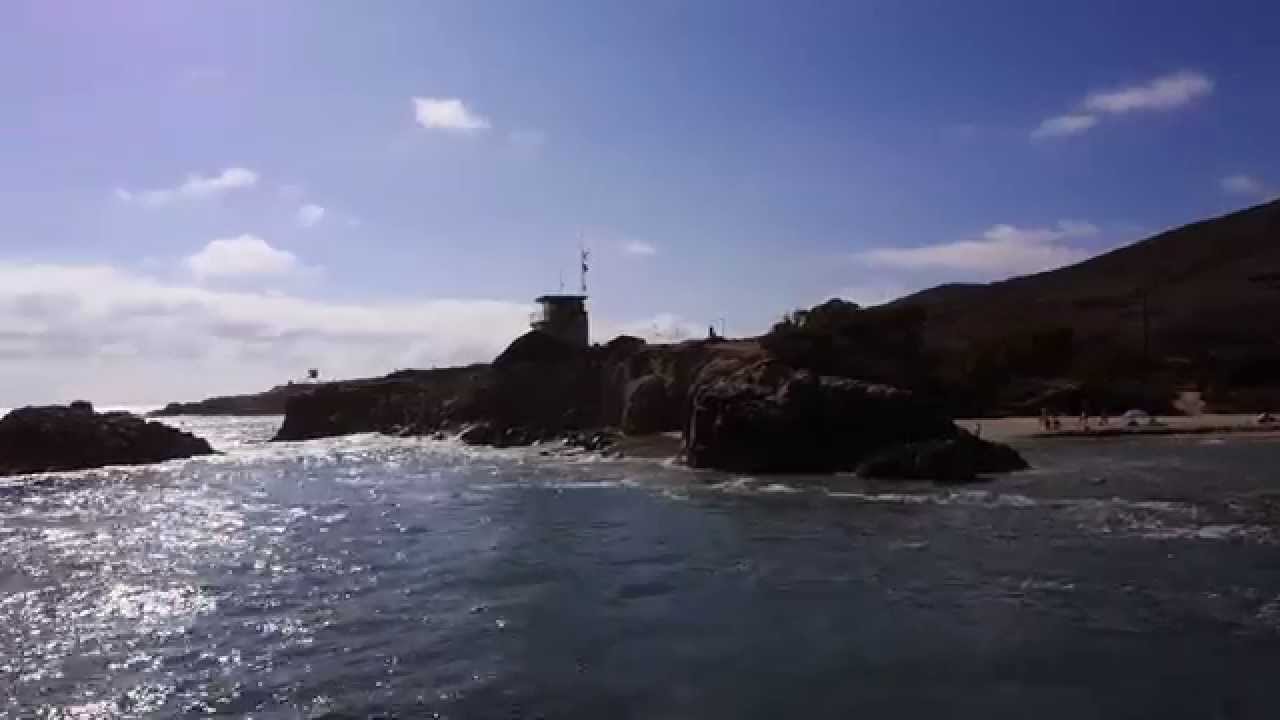
For as long as most working operators can remember, the answer to drone filming on an LA County beach was no. Not no with a waiver, not no unless the production was big enough. A blanket no. FilmLA’s beach filming requirements still state it plainly: “Presently, drone activity is not allowed on any of the L.A. County Beaches.”
That default just flipped for one beach, for one summer. On April 14, 2026, the Los Angeles County Board of Supervisors approved a Drone Pilot Program for Filming at Venice Beach that opens the sand to drone work for permitted film and television productions through July 31, 2026. For producers, line producers, and location managers with a coastal sequence on the schedule, this is a narrow window with very specific mechanics. Here is how it works and what it takes to fly under it.
Why a county board governs drones on Venice sand
Venice Beach sits inside Los Angeles city limits, but the sand is county-operated. The Department of Beaches and Harbors has run Venice since the June 1, 1975 merger that transferred Venice, Will Rogers, Dockweiler, Royal Palms, and White Point beaches from City of Los Angeles operations to the county. Lifeguards, maintenance, and film access on the beach all flow through the county, which is why a Board of Supervisors motion, not an LA City Council vote, is what changed the rules for drones.
That jurisdiction matters because the county’s default position is prohibition: County Code treats drones like powered model aircraft in parks and on beaches. The pilot program is a carve-out for permitted productions, not a repeal.
What the Board approved
The motion, submitted by Supervisor Lindsey Horvath of the Third District and approved by the Board as agenda item 66-G on April 14, 2026, directed the Director of Beaches and Harbors, working with the Department of Economic Opportunity, the County Film Office, FilmLA, and County Counsel, to develop the program and make it available within seven business days. The core parameters, straight from the motion:
- The program remains in effect through July 31, 2026
- It is administered by FilmLA
- It allows drone use exclusively for permitted film and television productions
- It is built around protecting public safety and natural resources
The Board acted amid heavy production activity at Venice. CBS News reported that the pilot came together as the Baywatch reboot, backed by a reported $21 million California Film Commission tax credit, began filming at the Venice Lifeguard Station in March 2026. Supervisor Horvath framed the program as county film policy keeping pace with the industry: “helping productions thrive while protecting our communities and allowing our iconic beaches to shine for viewers across the globe.”
What a production has to bring
The motion spells out the requirements. Under the pilot, a production needs:
- A FilmLA permit. The program covers permitted film and television productions only. The permit is the gateway; there is no recreational or non-production path.
- Part 107-certified pilots and registered aircraft. The motion’s wording is specific: Part 107-certified, not just FAA-certified in some general sense.
- A detailed flight plan, submitted and approved in advance.
- Restricted hours of operation and designated launch and landing zones.
- Compliance with all FAA flight limits and those of any other regulatory agency.
- Environmental and wildlife protections, including seasonal or location-based exclusions.
- Enhanced insurance and indemnification.
FilmLA’s standard beach-filming baseline still applies on top: valid county permit, beach reservation, standard filming hours of 6 a.m. to 10 p.m. with lifeguard supervision required outside them, and FilmLA’s drone rider covering FAA documentation, insurance, an airspace review, and proof of FAA airspace authorization where required.
The clean way to think about it: two permissions, two governments. The county controls the land, and this pilot is the county saying yes to launching, landing, and operating from its sand. The FAA controls the sky, and nothing in the county motion waives a single federal requirement.
For productions used to FilmLA paperwork, the “detailed flight plan, submitted and approved in advance” requirement will feel familiar. It is the same discipline as the Plan of Activities that drone work on any permitted LA production runs on: where the aircraft launches and lands, where it flies, when, at what altitudes, with what crew and contingencies. Expect the pilot program’s version to demand that rigor with the added scrutiny a first-of-its-kind beach program invites. The paperwork is not overhead. It is what makes regulator oversight workable, and the quality of what productions submit this summer will shape whether the county trusts a permanent program.
What beach operations actually take
We have flown coastal work across Southern California for years, from surf competitions to shoreline real estate and drone cinematography in Malibu, and beach days run on their own discipline. Gear moves on carts and stays out of the sand. Launch and recovery happen from an elevated pad on tables, so sand never reaches motors or props and everyone on the beach can see exactly where the aircraft comes and goes. Over water, we never fly over people and we build flight lines around the public; from shore, a distant drone over water reads much closer to swimmers than it actually is, so lines get planned with margin that looks conservative from the beach. Every return gets a moisture and salt-spray lens check, and an identical spare aircraft rides the cart so the day never stops for one airframe. Further up the coast the permit picture changes again; see PCH and Malibu drone film permits.
None of that is written into the county motion. It is what it takes to fly sand-and-surf environments cleanly, and any operator a production brings onto a county beach this summer should be able to describe their version of it without hesitation.
The airspace did not get easier
Venice sits in some of the most constrained low-altitude airspace in the LA basin. Santa Monica Airport is roughly 2 to 3 miles northeast, and its Class D airspace extends from the ground up to 2,700 feet MSL under FAA control and jurisdiction. LAX sits about 5 miles south, and its Class B and arrival corridors shape what is possible over the coastline. Which facility controls a given authorization depends on the exact location and altitude of the operation.
In practice, expect flights over much of the shoreline to need LAANC or FAA DroneZone authorization for the specific grid, with auto-approval ceilings that run low near the airports and tighten further toward the LAX arrival corridors. Confirm current values for your exact grid on the FAA UAS Facility Map during prep, not the night before the shoot. This is the same reality we covered in our post on flying restricted LA airspace, and it is manageable with planning. What historically blocked beach work was never the sky. It was the land-use permission, and that is exactly what this pilot changes.
After July 31: the report that decides what comes next
The motion directs Beaches and Harbors, DEO, the Film Office, FilmLA, and County Counsel to report back within 60 days of the pilot’s conclusion with a comprehensive evaluation: effectiveness, operational impacts, feedback from permittees and the public, safety and environmental considerations, and recommendations for a permanent program at county-managed beaches. With the pilot ending July 31, that evaluation lands around late September 2026, and its scope is bigger than Venice. A permanent program could extend drone filming access to other county beaches.
That puts real weight on this summer. Every clean flight under the pilot is evidence that detailed flight plans with real review, plus disciplined separation between operations and the public, are enough to make beach drone work routine. Every incident is evidence for the blanket no.
Planning coastal aerials this summer
Venice is one jurisdiction chapter of our Los Angeles drone filming permit guide, which covers who permits what across the county, with lead times.
The window is short and the paperwork is front-loaded: FilmLA permit, flight plan approval, airspace authorization, and insurance all carry lead times. If you have a Venice sequence to board before July 31, or a coastal shoot anywhere in Southern California after it, we handle the full stack, from FAA airspace authorizations and waivers to the beach-day operation itself. The platform and compliance stack is laid out in production terms on our drone videography in Los Angeles page. Book a consultation and we will walk your dates and shot list against what the airspace and the permit calendar actually allow.