September 8, 2026 ·4 min read
By Jaron Denson, owner and aerial director of photography at Drone Tech Aerial. FAA Part 107 remote pilot, flying productions in Los Angeles since 2012.
Drone Shots in Music Videos: Planning Aerial Sequences That Survive the Edit
Music videos ask more of a drone than almost any other format. The aerial is rarely coverage; it is usually a designed moment the treatment was sold on, timed to a beat, choreographed against talent, and expected to cut seamlessly into material shot on a cinema camera. The gap between a drone shot that makes the video and one that dies in the edit is almost always planning, not piloting.
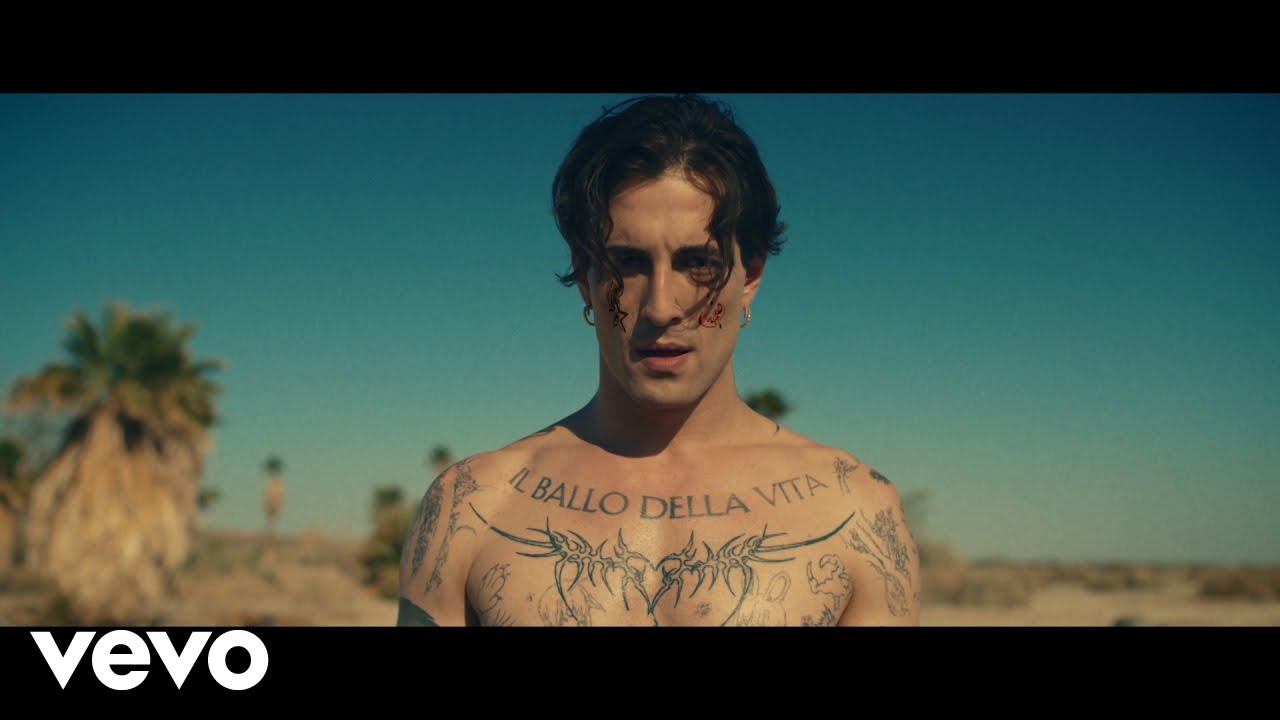
Our recent music video work includes the aerial unit on Damiano David’s FUNNY little STORIES, the long-form video for his debut solo album that premiered through MTV’s Global First Look and earned a 2025 MTV VMA nomination for Best Long Form Video, and the Yves Saint Laurent Libre campaign with Dua Lipa, flown with an ARRI Alexa Mini on our heavy-lift platform. Here is how we approach this work, for directors, producers, and label creatives building aerial sequences into a treatment.
Design the move backwards from the cut
The strongest aerial moments in music videos are transitions: the shot that starts as one image and resolves into another in a single move. On FUNNY little STORIES, the signature aerial was a blind reverse pull off an Airstream rooftop that resolved into a timed car reveal, executed as an in-camera transition. Shots like that are edits designed before the edit, and they get built in reverse: the director knows the two images that need to connect, and the flight path, speed ramp, and timing exist to join them.
That has a practical consequence for prep. The aerial unit needs the treatment conversation, not just a call time. When we know the cut points, we can engineer the move: where the camera must be blind, where talent enters frame, what has to be timed against playback, and how many beats the move has to fill. “Blind” is literal in a shot like the Airstream pull: the move begins with no view of the reveal element, which means the timing lives in rehearsal and marks, not reaction.
Playback timing is choreography
A music video aerial flies to the track. Performance coverage, hitting a lyric on a crane-up, resolving on the downbeat: these are choreography problems, and we treat them like a camera department does. Rehearse the move against playback, mark the tempo internally, and fly the same path at the same speed until it is repeatable on command. This is where dual-operator crewing earns its place: the pilot flies the path and the timing, the camera operator owns the frame, and neither is splitting attention at the moment the edit depends on.
Repeatability is also what makes takes cheap. On FUNNY little STORIES we flew the reveal path consistently enough that the timing variable became the car and the talent, not the aircraft. When the aerial is the reliable element, the director spends takes on performance instead of aviation.
Match the A-camera or plan the difference
Music video aerials cut directly against cinema glass, often within the same sequence, and a mismatched aerial reads instantly. Two ways to handle it. Fly the A-camera itself: our Freefly Alta 8 carries the production’s ARRI Alexa Mini with full lens control, which is how the YSL Libre work stayed seamless with the ground package. Or fly a camera that grades with it: the DJI Inspire 3’s full-frame Zenmuse X9 shooting ProRes RAW holds up in a timeline next to cinema cameras, with a fraction of the footprint and setup time.
The choice is a real production decision. The heavy-lift package brings the exact sensor and lenses but needs the space, crew, and pace of a technocrane. The Inspire 3 moves like a music video: fast resets, tight locations, more setups per day. We help productions pick per sequence rather than per project; plenty of videos want both on different days.
Locations, nights, and the paperwork between
Music videos love the locations that complicate drone work: deserts, rooftops, beaches, and nights. FUNNY little STORIES shot at the Salton Sea and a high-desert movie ranch, the kind of remote locations where the airspace is friendly but everything else, access, comms, dust, heat on batteries, needs production planning. Night exteriors and performance coverage after dark run under Part 107 night operations, which we have flown since the era when covering P!nk’s American Music Awards performances for Dick Clark Productions required a dedicated night waiver. The current rules are easier, the discipline is the same; our night flight guide for LA productions covers it.
Permitting follows the location like any shoot day, and the aerial unit’s airspace and insurance paperwork rides on top. We handle that stack in-house so the production office gets one clean package.
Bringing us a treatment
If there is an aerial moment in your treatment, the useful version of a first conversation includes the track, the two images the move connects, and the location shortlist. From there we can tell you the platform, the crew, and what rehearsal the timing needs. Service details live on our music video drone cinematography page. Book a consultation and send the treatment.