September 3, 2026 ·3 min read
By Jaron Denson, owner and aerial director of photography at Drone Tech Aerial. FAA Part 107 remote pilot, flying productions in Los Angeles since 2012.
Documentary Drone Cinematography: What Three Netflix Docs Taught Us About Aerial Units for Nonfiction
Documentary aerial work is a different discipline from scripted. There is no art department resetting the frame, no second unit day to pick up what was missed, and often no second chance at the event itself. The aerial unit that thrives on docs is the one that shows up small, moves fast, and treats every flight like the only one, because it usually is.
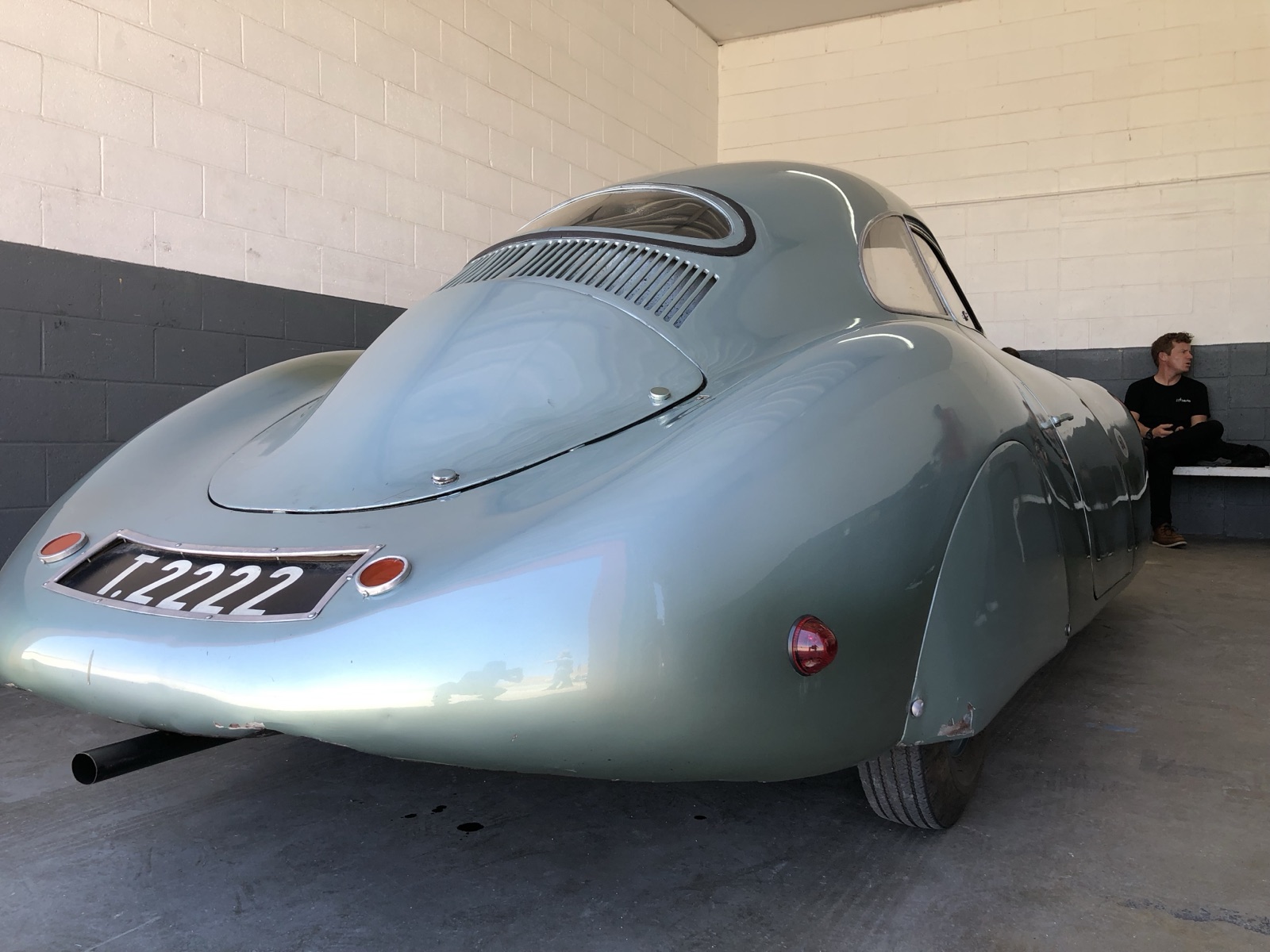
Our documentary credits include three Netflix originals: Inside Bill’s Brain: Decoding Bill Gates, Living Undocumented, and White Rabbit Project. On the feature side, Dust 2 Glory took us the length of the Baja peninsula, and the Porsche Type 64 auction documentary for RM Sotheby’s put us over the first Porsche lapping Willow Springs Raceway. Different subjects, same lessons. Here is what nonfiction productions should know when they bring on an aerial unit.
The footprint has to match the film
Documentary sets are small on purpose. A subject who has forgotten the camera is the whole methodology, and a five-case aerial department with a generator does not help. For most documentary work we fly compact cinema packages: the DJI Inspire 3 with Zenmuse X9 delivers 8K full-frame ProRes RAW out of two cases with a two-person crew, and the Mavic 3 Cine drops the footprint further when presence and noise matter more than sensor size.
The crew stays small too, but not below two. A pilot and a dedicated camera operator is still the right configuration for docs, because unrepeatable moments punish divided attention more, not less. The pilot manages the aircraft and the environment; the operator hunts the frame. On verite days that division is what lets the aerial camera react like a documentary camera instead of a surveillance one.
One-take discipline
Scripted work rehearses toward the take. Documentary work rehearses the capabilities, then waits. The event, the demolition, the race start, the interview subject walking out of the courthouse, happens once. What we borrowed from our motorsports coverage applies directly: pre-fly the positions before the moment, know the light and the backgrounds from the air in advance, and have the battery cycle managed so the aircraft is up and settled before the window opens, not launching into it.
Planning around that means the aerial unit needs to be in the production conversation earlier than the shoot day. When we know what the film needs a location to say, we can scout it from the air the evening before and arrive with a shot plan instead of a search.
Access, permits, and staying invisible
Documentaries shoot in real places with real jurisdictions: working ports, borders, deserts, small towns, city streets. The regulatory work is the same stack as scripted production, airspace authorizations, permits, insurance certificates, but compressed into documentary timelines and often exercised far from Los Angeles. Dust 2 Glory meant sustained international operation in Mexico. Doc schedules also change fast, which is why we keep the compliance work in-house rather than farming it out per shoot: when the story moves, the paperwork has to move with it. The mechanics are covered in our drone compliance checklist.
There is also a subject-sensitivity dimension scripted work rarely has. On a project like Living Undocumented, where being filmed carried real stakes for the participants, the aerial unit operates under the same care protocols as the ground crew: what gets flown, when, and over what is a directorial and ethical decision, not just a technical one. A documentary aerial operator who does not ask those questions has not done much documentary.
Delivery specs still apply
Nonfiction does not lower the technical bar. Netflix originals carry 4K capture requirements, and post expects camera files that grade alongside the A-camera material. Flying ProRes RAW on the X9, or Super 35 6K on the Inspire 2 X7 before it, means the aerial material arrives in post as first-class footage rather than drone footage that needs rescuing. We are a Netflix Approved Vendor, a process that reviews exactly this: equipment, compliance documentation, and delivery capability. More on that program and what it screens for in our Netflix approved drone vendor post.
Booking aerial work for a documentary
The service page for documentary and streaming drone cinematography covers the package details. If you are producing nonfiction, in Southern California or wherever the story lives, book a consultation and tell us what the film needs. We will keep the footprint small and the material cinema-grade.