June 23, 2025 ·Updated July 1, 2026 ·11 min read
By Jaron Denson, owner and aerial director of photography at Drone Tech Aerial. FAA Part 107 remote pilot, flying productions in Los Angeles since 2012.
What to Look for in a Drone Company in Los Angeles
Hiring a drone company for a film or television production in Los Angeles comes down to one question: will this team add to your production load, or absorb it? The right aerial team arrives with the FAA authorizations cleared, the FilmLA permits filed, the certificate of insurance in hand, and a flight plan that matches the day’s pages. The wrong one becomes another vendor your coordinator has to chase.
This guide covers what a producer, coordinator, or UPM should verify before booking aerial work in Los Angeles. The criteria are ordered the way an experienced production team evaluates them: compliance first, capability second, integration third.
The short version
Before you book a drone company in Los Angeles, confirm these six things:
- FAA Part 107 certification, plus airspace authorization and night waivers for your specific shoot.
- A certificate of insurance at the coverage level your studio or location requires, delivered quickly.
- A heavy-lift platform that carries your A-camera package, not just a prosumer drone.
- In-house FilmLA permitting and FAA airspace coordination.
- On-set production experience, not just real estate or event reels.
- A working model that operates as a department, not a vendor.
The rest of this guide explains why each one matters and how to verify it.
1. Certification and insurance, verified before the shoot
Every operator flying a commercial production in the United States must hold an FAA Part 107 Remote Pilot Certificate. That is the floor, not the differentiator. The questions that actually protect your shoot day are the ones that come after the certificate.
Ask whether the operator holds current airspace authorization for your location. Much of Los Angeles sits in controlled airspace near LAX, Burbank, Van Nuys, and Santa Monica, and flying there legally requires FAA authorization that the operator must secure in advance. If any part of your day is after dark, confirm the operator holds an active night flight waiver.
Then ask about insurance. Studios and permitted locations commonly require a minimum of one million dollars in general liability, and many high-value productions require five million for aerial work. A qualified company provides a certificate of insurance naming the production as additional insured, and provides it fast enough to clear studio and location requirements before the shoot. A company that cannot turn around a certificate of insurance quickly is a company that will slow down your location department.
If you want the transactional view of the service rather than the evaluation framework, see our drone videography in Los Angeles service page. Every production receives a written flight plan, a safety meeting, and a certificate of insurance before the first call. FAA Part 107, airspace authorization, and night flight waivers are handled as standard procedure, not as a scramble the week of the shoot.
2. A heavy-lift platform that matches your A-camera
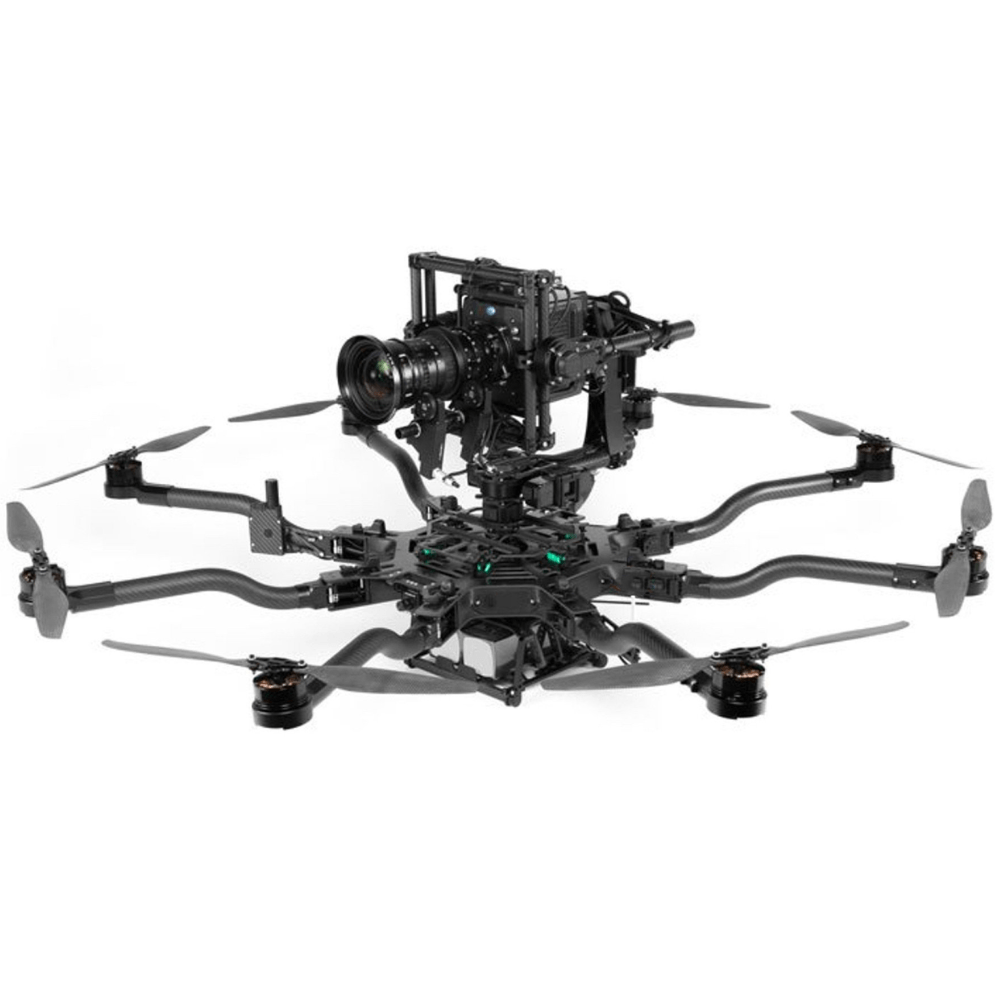
A common and expensive mistake is assuming any drone can carry any camera. It cannot. If your production is cutting aerial footage directly into a master shot on an ARRI, RED, or Sony Venice, you need a heavy-lift platform built to fly that weight while holding a stable, cinematic move.
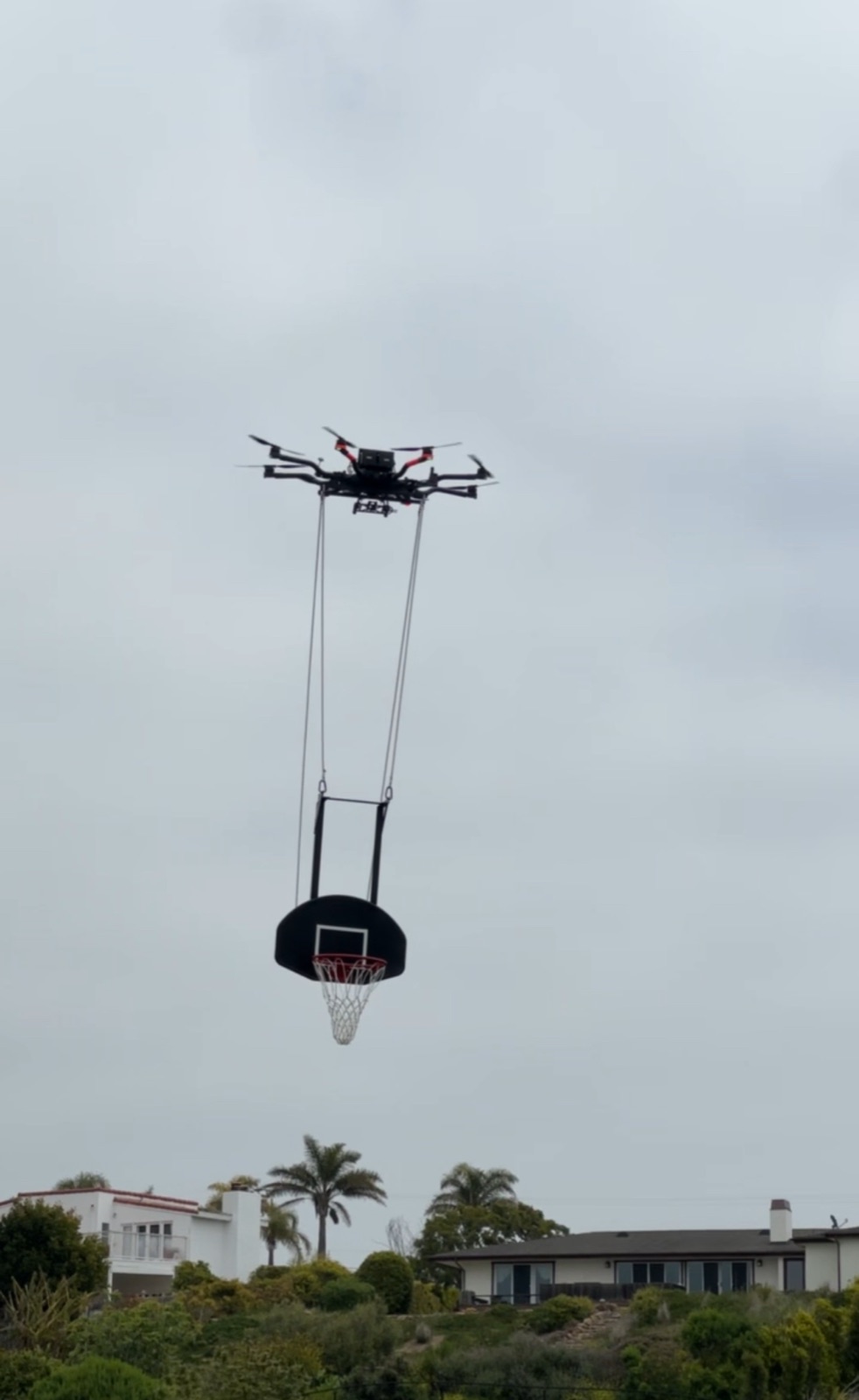
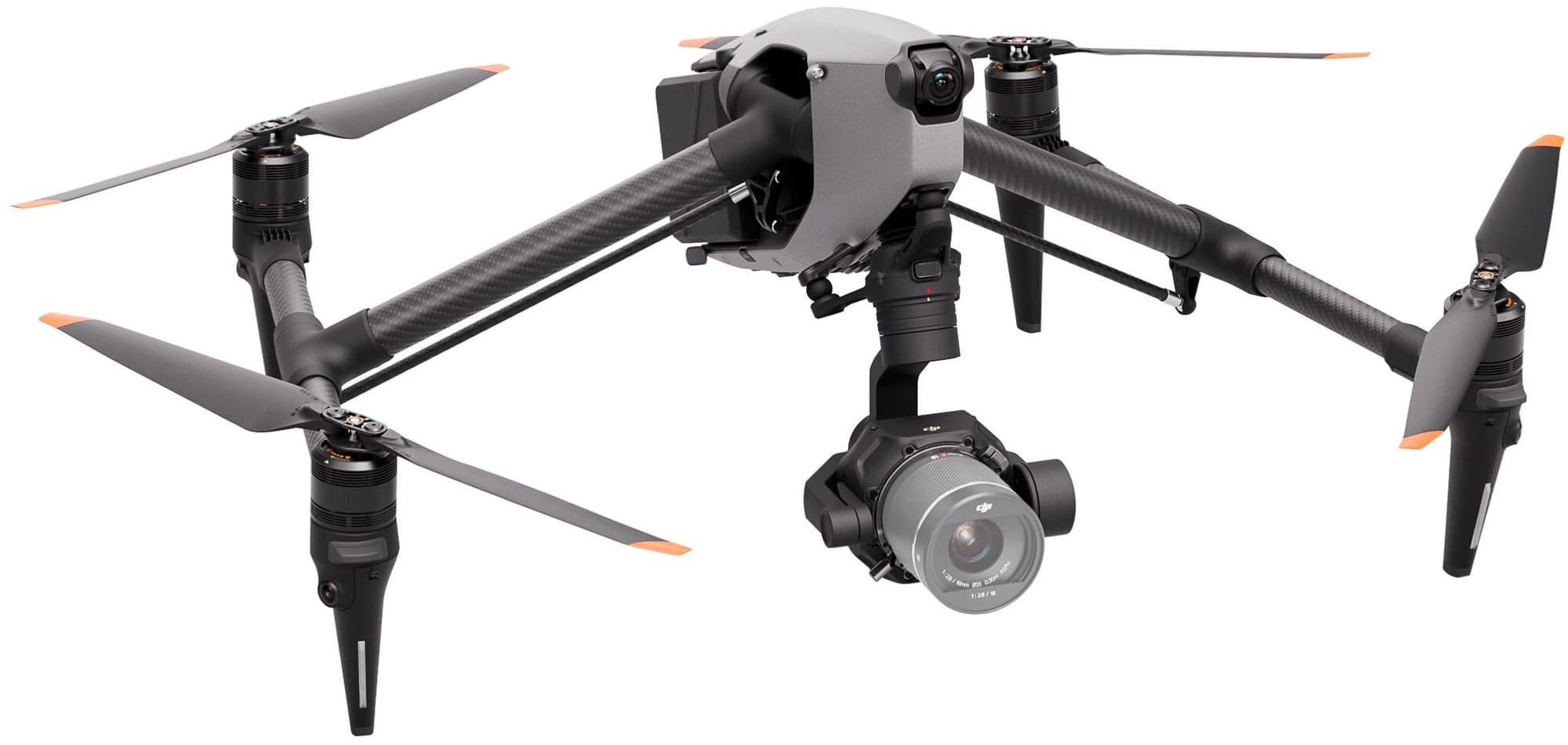
A Freefly Alta 8 lifts an ARRI Alexa Mini or a comparable cinema package, which means the aerial footage matches the A-camera package with no resolution or color-science compromise. That is the exact configuration we flew on the YSL Libre campaign with Dua Lipa, with vintage Panavision glass on the same aircraft. For lighter setups, a DJI Inspire 3 with the Zenmuse X9 captures 8K ProRes RAW, which holds up in a professional grade. For dynamic chase and proximity work, a custom FPV platform opens moves that a standard cinema drone cannot execute.
When you evaluate a company, ask which platform they would fly for your specific camera package. A precise answer that names the aircraft and the payload is a good sign. A vague answer about “professional drones” is not.
3. In-house FilmLA permitting and airspace coordination
This is where the difference between companies becomes financial. The line-item cost of a drone operator is never the real cost. The real cost includes the hours spent securing FilmLA permits, coordinating airspace authorization, and producing insurance documentation for the location.
Drone activity within the City of Los Angeles requires a FilmLA permit and a Hold Harmless agreement for both the production company and the drone company, with documentation uploaded through Kwikcomply. FilmLA reviews every drone location for airspace restrictions and may require proof of FAA airspace authorization before approving the day. Beginning April 27, 2026, FilmLA also offers a Low Impact Permit Pilot Program that reduces permit costs for qualifying low-impact shoots, which is worth asking about for smaller days.
The question to ask is simple: who handles this work? If the drone company expects your coordinator to manage the permit and airspace paperwork, that is coordination overhead landing on your desk. If the company handles FilmLA permitting and FAA airspace coordination in-house, the aerial unit absorbs that load instead of creating it. For the airport-by-airport specifics, see our breakdown of drone cinematography in restricted LA airspace.
4. On-set production experience, not just a reel
A polished reel proves a pilot can fly. It does not prove the pilot can work a set. The demands of a film or television production are different from real estate or wedding work, and the stakes are higher. You need an operator who understands call sheets, who can integrate with the camera department, who knows how to hold for sound, and who has navigated the logistics of a live set under time pressure.
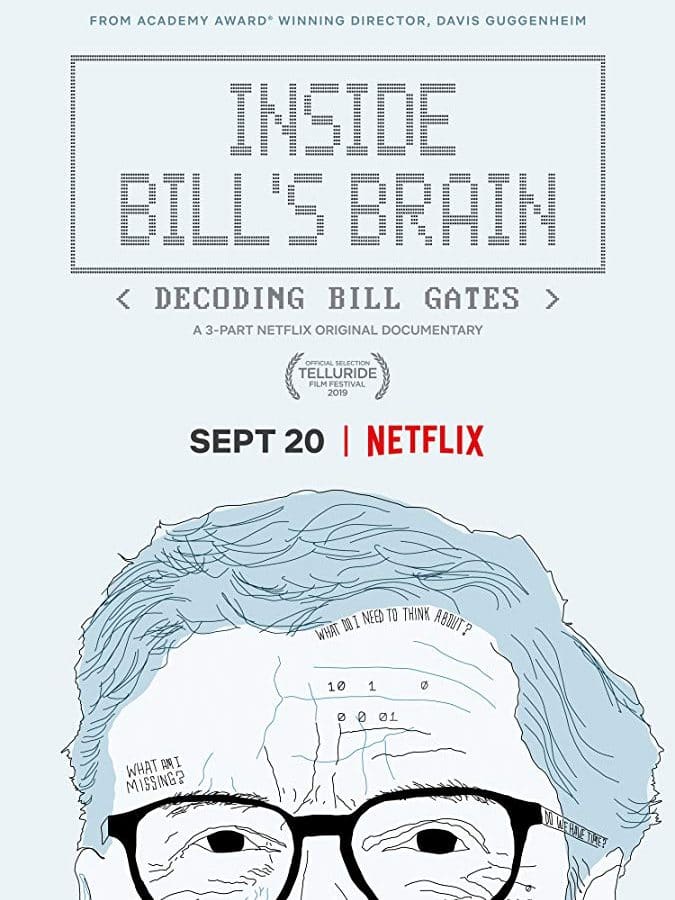
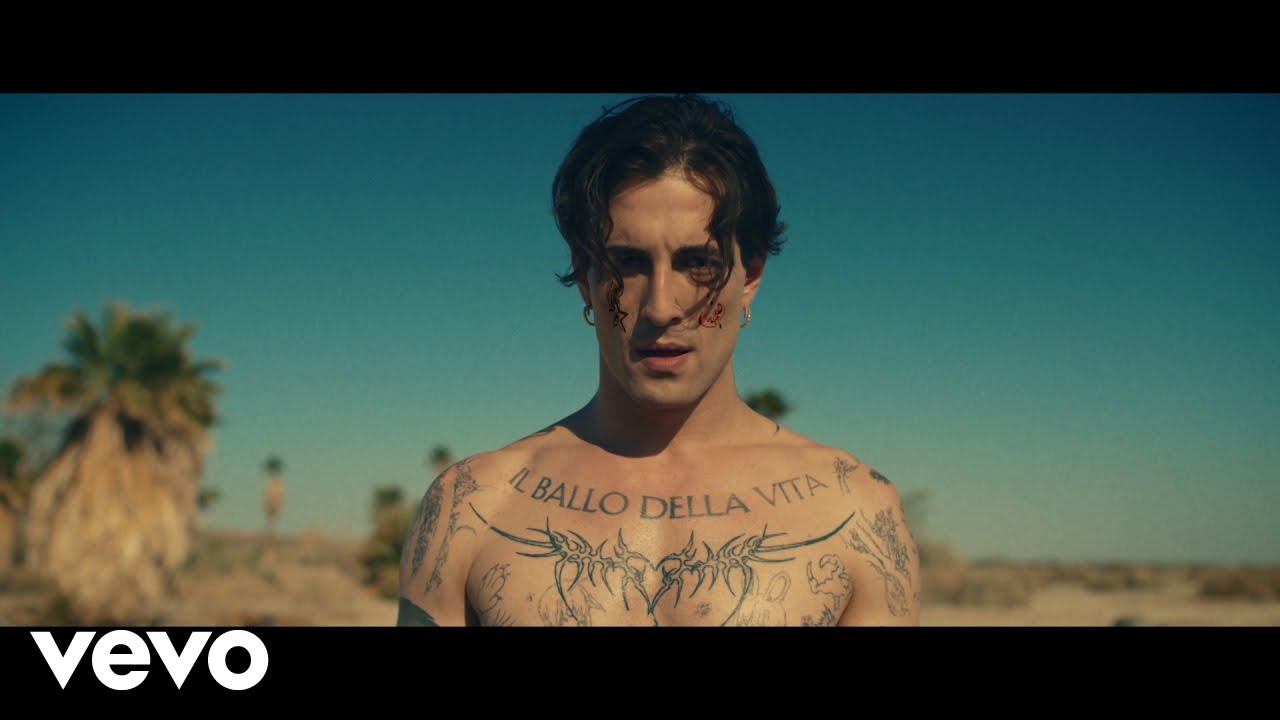
Look for tenure and credits that match the kind of work you are producing. Drone Tech Aerial has operated since 2012, with production credits across Netflix originals, award shows, and major commercial work. For union productions, confirm the company can integrate with IATSE Local 600 requirements. More than a decade of set experience produces operational protocols that a preflight checklist alone cannot teach. Our drone cinematography for film and TV page lists the credits and the unit configuration for studio and streaming work.
5. Vendor qualification you can document
For studio and streaming productions, vendor selection often has to be justified internally. This is where formal qualifications matter more than client name-drops.
Netflix Approved Vendor is a formal status confirming a company has cleared Netflix vendor vetting. It is not the same as a company that has shot footage used in a Netflix title. If your production needs to document vendor qualifications, ask whether the company holds formal approvals, carries current insurance certificates on file, and can provide prior production credits in a format your team can submit. A company that already carries this documentation saves your team the work of assembling it.
6. The question that separates a department from a vendor
Everything above points to a single distinction. Most drone companies operate as vendors. They show up with equipment and wait for direction. A smaller number operate as a department: they take ownership of permits, airspace, insurance, and pre-production the way any department head does, so the production manages one point of accountability rather than a contractor that needs managing.
When you interview a drone company, ask how they handle the work before the shoot day. A vendor will describe their equipment. A department will describe their process: the flight plan, the permit timeline, the airspace authorization, the insurance documentation, and the safety meeting, all completed before the call sheet goes out. The department model is the one that does not add to your production coordinator’s task list.
How to evaluate a drone company before booking
Use this checklist on any company you are considering:
- Can they provide their FAA Part 107 certification and current airspace authorization for your location?
- Do they hold a night flight waiver if your shoot requires it?
- Will they provide a certificate of insurance at your required coverage level, naming the production as additional insured?
- Which specific aircraft will they fly for your camera package?
- Do they handle FilmLA permitting and FAA airspace coordination in-house?
- What are their production credits, and do they match your type of project?
- Do they operate as a department that absorbs coordination, or a vendor that creates it?
If a company answers the first six clearly and the seventh by describing their pre-production process, you are looking at an aerial team that will make your shoot day easier rather than harder.
Frequently Asked Questions
Do you need a license to fly a drone for a film shoot in Los Angeles?
Yes. Any drone operator flying for a commercial production must hold an FAA Part 107 Remote Pilot Certificate. Productions in controlled airspace also require FAA airspace authorization, and night work requires the appropriate waiver. The certificate covers the pilot. It does not cover the permitting and insurance the production still needs at the location.
Do you need a permit to fly a drone for film in Los Angeles?
In most cases, yes. Drone activity within the City of Los Angeles requires a FilmLA permit and a Hold Harmless agreement for both the production company and the drone company, with documentation uploaded through Kwikcomply. FilmLA reviews every drone location for airspace restrictions and may require proof of FAA airspace authorization before approving the day.
How much liability insurance should a drone company carry for film production?
Studios and permitted locations commonly require a minimum of one million dollars in general liability, and many require five million for aerial work. A qualified drone company provides a certificate of insurance naming the production as additional insured, and provides it quickly enough to clear location and studio requirements before the shoot day.
Can a drone carry an ARRI or RED cinema camera?
Yes, with a heavy-lift platform. A Freefly Alta 8 lifts an ARRI Alexa Mini or comparable cinema package, which allows aerial footage to match the A-camera. For lighter setups, a DJI Inspire 3 with the Zenmuse X9 captures 8K ProRes RAW. A standard prosumer drone cannot carry a cinema camera, so confirm the platform matches your camera package.
What is a Netflix Approved Vendor?
Netflix Approved Vendor is a formal qualification that confirms a company has cleared Netflix vendor vetting for production work. It is distinct from a company that has simply shot footage used in a Netflix title. For productions that need to document vendor qualifications internally, the formal status carries more weight than a client name.
What is the difference between a drone vendor and an aerial department?
A vendor shows up with equipment and waits for direction. An aerial department takes ownership of the work the same way any department head does: airspace coordination, FilmLA permits, insurance documentation, and pre-production planning are handled before the call sheet goes out. The department model removes coordination load from the production rather than adding to it.
Book a consultation
Drone Tech Aerial operates as your aerial department for film, television, and commercial drone production in Los Angeles and Southern California. Permits, airspace, and insurance are handled before the call sheet goes out. Book a consultation or request a quote to discuss your production.