April 20, 2026 ·Updated September 14, 2026 ·6 min read
By Jaron Denson, owner and aerial director of photography at Drone Tech Aerial. FAA Part 107 remote pilot, flying productions in Los Angeles since 2012.
Netflix Approved Drone Vendor: The Camera Is Not the Vendor
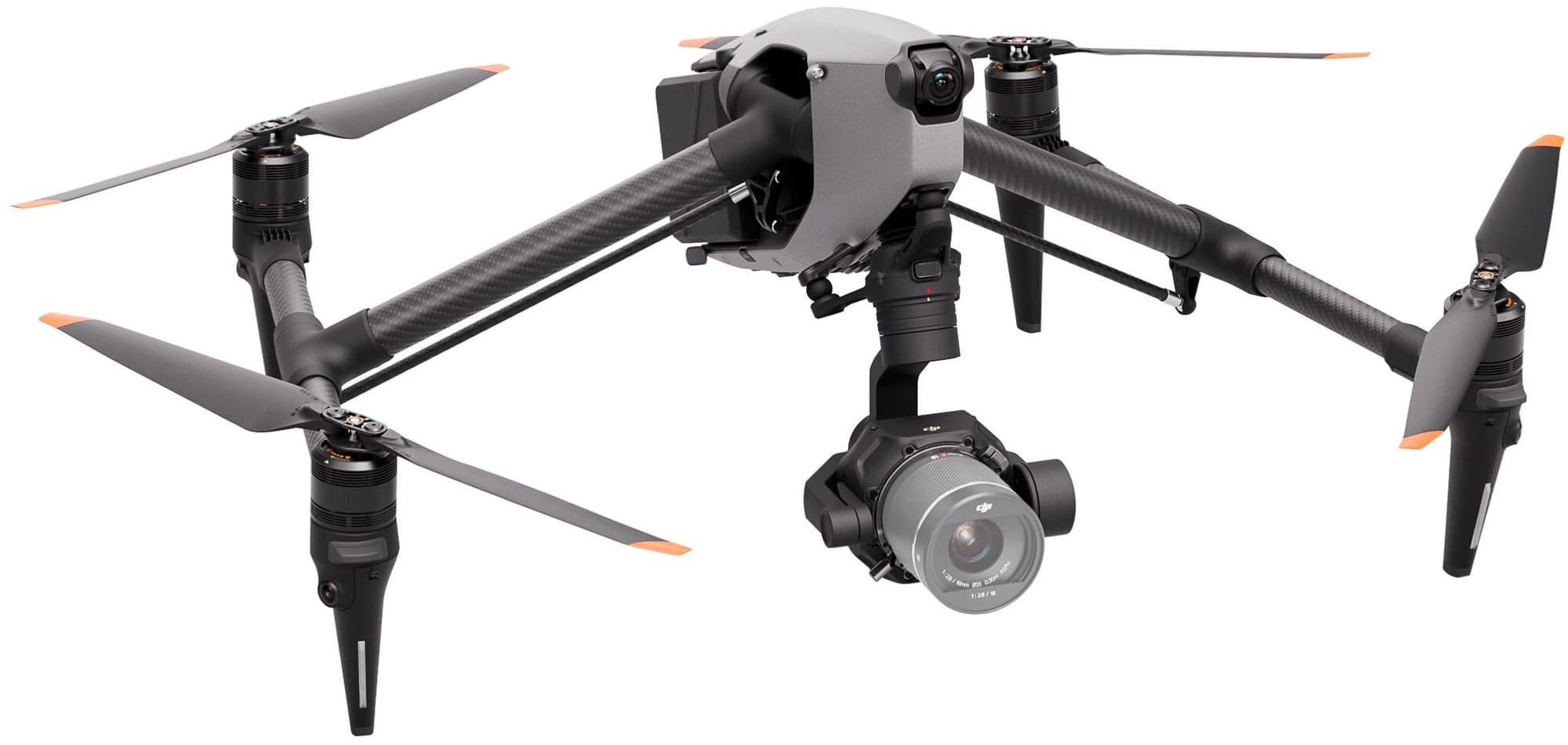
Search for a Netflix approved drone vendor this year and the results are about a camera. In April 2025 Netflix added the DJI Inspire 3 with the Zenmuse X9-8K Air to its approved camera list, the first drone platform to make it, and the trade press covered it well. That is good news for anyone who flies one, and it is not the same thing as being an approved vendor. A camera is a piece of equipment. A vendor is the company that shows up with it, carrying the insurance, the paperwork, and the record Netflix has already checked. We are both, and the difference matters to the coordinator building a vendor list.
An approved camera is a piece of equipment. An approved vendor is the company.
Netflix controls which cameras its originals are shot on to protect picture quality now and the value of the library later. The approved list is built around true 4K capture, RAW or intra-frame codecs, and 10-bit or better processing, and the Inspire 3 with the X9-8K Air meets that bar. That is why it is on the list, and why we fly it.
Vendor approval is a different review, of the company rather than the sensor. We went through a formal process: a meeting at Netflix, our paperwork on the table, our experience walked through. The outcome is a place on Netflix’s pre-approved vendor list, which a production without a drone vendor can search, find us on, and call. In Jaron’s words: “It doesn’t necessarily help us get any jobs, but it makes it so that production doesn’t really have to question whether or not we can do the job.” The basis is carrying enough insurance and being able to carry out the extra paperwork a Netflix job requires. So the accurate sentence is the long one: we are an approved vendor flying an approved camera.
The first Netflix show we shot
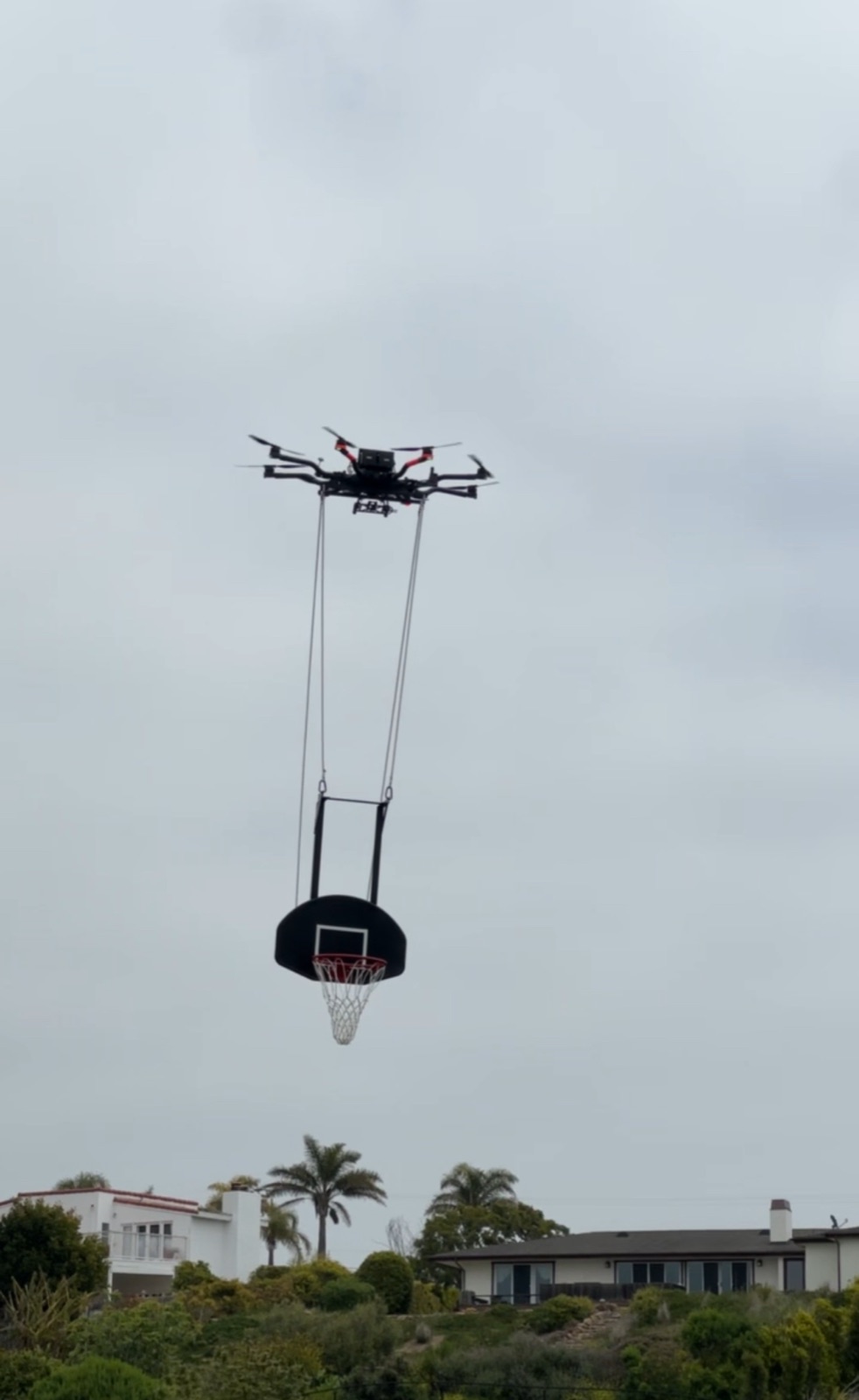
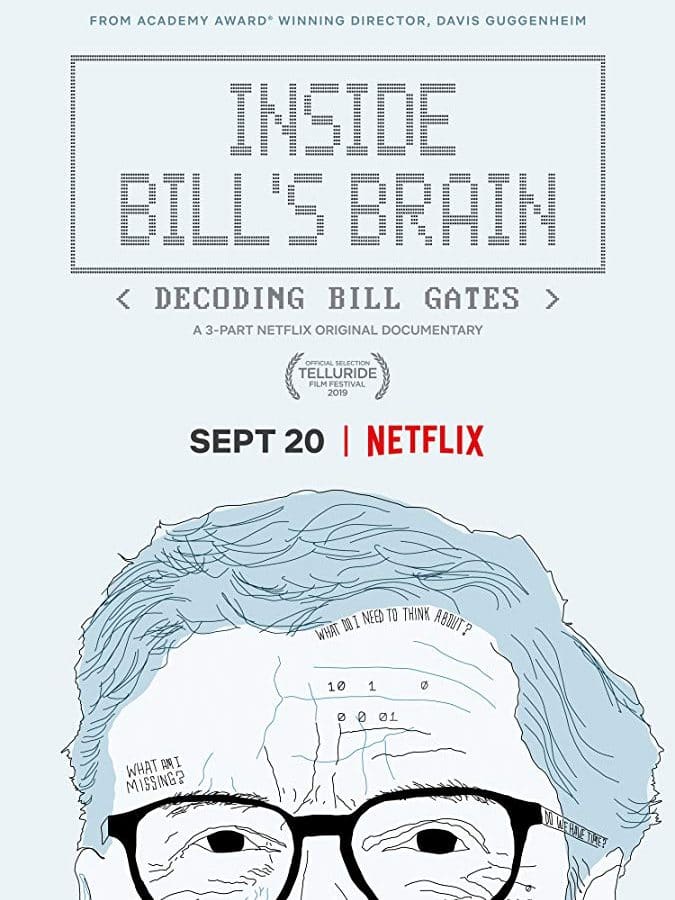
The first Netflix production we worked on was The White Rabbit Project, built around the original Mythbusters cast. We flew a drone through a series of hoops inside a dark studio to simulate what a pigeon was doing on screen. We also coordinated in live airspace with a jetpack, two FAA-regulated unmanned aircraft operating simultaneously. That was a first for us.
The work went well. We delivered without drama. Netflix productions operate at a specific level and we matched it. That got us into their world for the first time.
The show that triggered vendor status
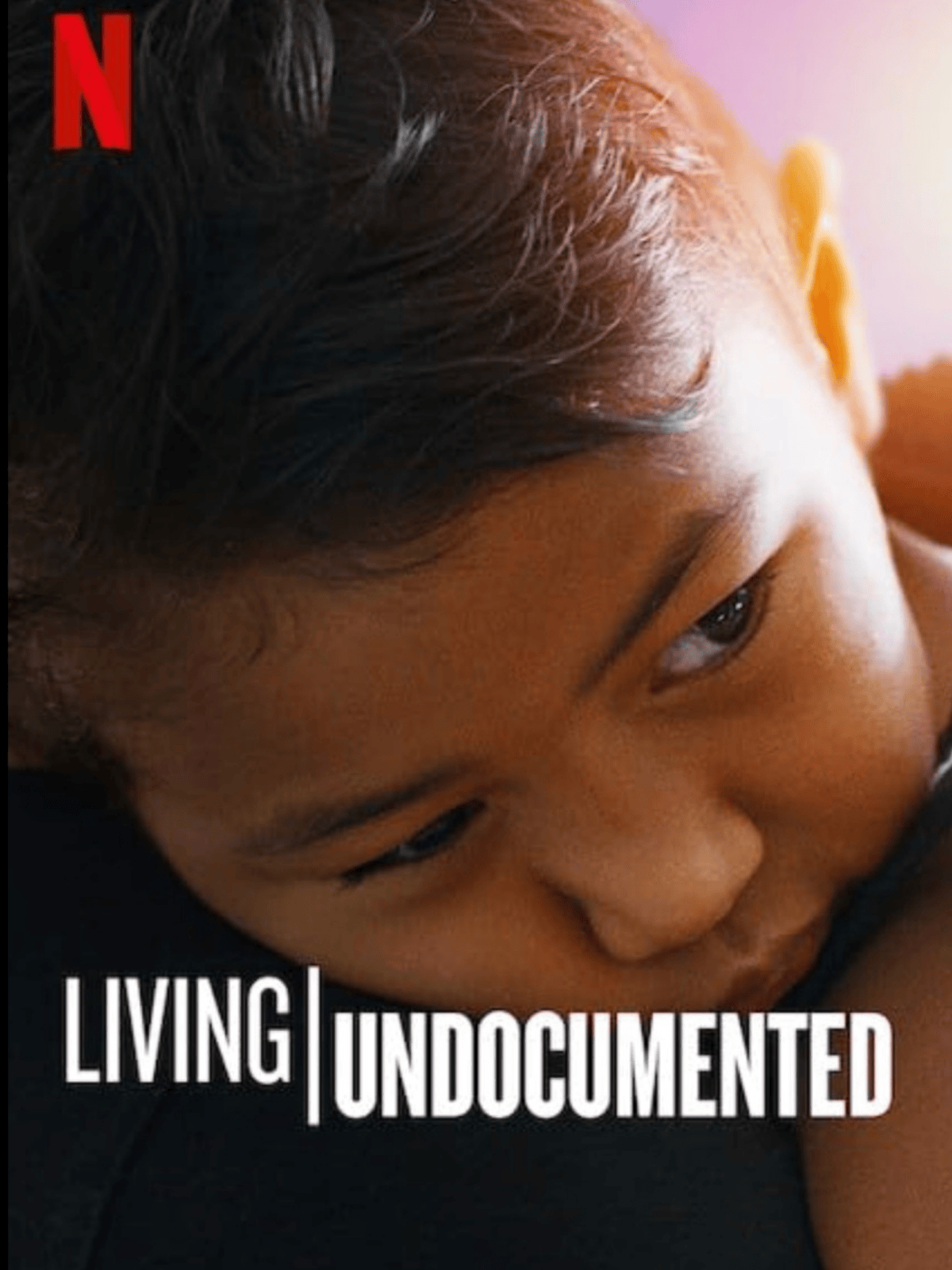
The production that triggered the formal vendor approval process was Living Undocumented, a Netflix documentary about undocumented families facing deportation. This one required every vendor to go through Netflix’s internal approval process before shooting. We went through it. We got cleared. We shot the show.
The aerial work on that production was long, sweeping establishing oners, starting near satellite altitude and slowly sweeping down to the main character. One sequence was about ninety seconds: a baseball field, the subject walks out, throws a pitch. All of it shot in Southern California. The show ran. The footage held up.
How we got on the permanent list
After Living Undocumented, we wanted permanent vendor status, not show-by-show clearance: pre-approved for any Netflix production from that point forward.
We had a contact at Netflix, a senior editor we had worked with on a separate project, a political ad shoot with nothing flashy about it. Just work. We did it well. We stayed in touch.
We reached out, asked if he could get us in front of the right people, and he did. We went to the Netflix corporate offices in Los Angeles and sat down with their department heads of safety. It was a conversation, not a pitch. They wanted to know our insurance structure, our on-set safety protocols, and how we run a production. We had everything documented and ready. The meeting went well. We came out of it as a Netflix Approved Vendor.
What the approval process actually covered
Insurance. Coverage amounts, what entities are named on the policy, and whether the structure is built for motion picture and television production specifically. A standard commercial drone policy is not the same thing.
Safety protocols. How we operate on a closed set, how we handle pre-flight checks, how we coordinate with other departments, what our emergency procedures look like. They were specific. So were we.
Track record. Years of operation, the productions we had already completed for Netflix, our FAA credentials, and our history of operating in Los Angeles airspace. The 12 years behind us mattered.
The allowance most productions can use for drone footage
Netflix’s published camera requirements ask that at least 90 percent of a scripted program’s final runtime be captured on approved cameras, with more room on nonfiction. The remaining share is where non-approved cameras go, and drone footage is usually a small share of a program: establishing shots, transitions, a sequence or two. Most drone work on a Netflix show fits inside that allowance whether or not the aircraft is on the list, which is worth knowing when a production wants a smaller platform for a specific shot. The vendor approval does not change; the camera question is answered by the allowance. When the aerial work is a larger part of the program, the Inspire 3 keeps it inside the 90 percent without a conversation.
Why it matters on your production
If you are building a vendor list for a Netflix production and your drone operator is not already on the approved list, they go through verification before they can work your show. That process takes time, sometimes more time than your pre-production window allows. Sometimes they do not clear it at all.
A pre-approved vendor shows up cleared. No open compliance questions. No calls between your coordinator and Netflix’s safety department. We arrive, we set up, we fly.
One honest note on cost: Netflix jobs carry a small surcharge for the additional paperwork that comes with the vendor status. It buys the production a cleared vendor and a compliance file that is already built.
Netflix vendor approval is not something you can apply for. The path in is through work and relationships. The barrier is intentional.
Questions producers ask
Is the DJI Inspire 3 Netflix approved?
Yes. Netflix added the Inspire 3 with the Zenmuse X9-8K Air to its approved camera list in April 2025, the first drone platform on the list. The approval covers the camera system, not the operator flying it; the vendor review is a separate process, and we have been through both.
Does a drone operator have to be on Netflix’s approved vendor list to work a Netflix show?
No. A production can put an operator through Netflix’s verification for that show, the way we were cleared for Living Undocumented before we held permanent status. A pre-approved vendor skips that step, which matters when the pre-production window is short.
Can a Netflix production use drone footage from a camera that is not on the approved list?
Usually. Netflix’s published requirement for scripted programs is 90 percent of final runtime on approved cameras, with more room for nonfiction, and drone footage is usually a small share of a program. The production’s post team makes that call; our vendor status does not depend on it.
How do you become a Netflix approved drone vendor?
There is no application form. Our path ran through work on Netflix productions, show-by-show clearance on Living Undocumented, and a meeting with Netflix’s safety leads in Los Angeles where insurance, protocols, and track record were reviewed. The barrier is intentional.
Where to go from here
Our Netflix and documentary drone cinematography page covers the credentials and the credits, and the post on documentary drone cinematography covers how aerials work on a nonfiction schedule. For producers staffing aerial on streaming and network productions, the aerial unit for film and TV production page describes how the unit works on set; recent credits include Unstable (Netflix), Based on a True Story (Peacock), The Challenge (MTV), and the American Music Awards (Dick Clark Productions). Scheduling a Netflix production in Los Angeles? Send the dates, the location, and the camera package: book a consultation.