September 1, 2026 ·Updated September 14, 2026 ·7 min read
By Jaron Denson, owner and aerial director of photography at Drone Tech Aerial. FAA Part 107 remote pilot, flying productions in Los Angeles since 2012.
Drone Insurance for Film Production: COIs, Additional Insureds, and What Production Actually Needs
Every experienced UPM has a version of this story: the drone operator was booked, the shot list was approved, and three days before the aerial day someone in production insurance asked for a certificate naming the production company, the studio, the location owner, and a city agency as additional insureds. The operator went quiet. The aerial day died on paperwork.
Insurance is the least glamorous part of drone work and one of the most decisive. Productions do not hire aerial units on reel alone; they hire operators whose paperwork clears risk management without a fight. This is a working guide to what that paperwork is, written for producers, UPMs, and production coordinators booking drone work in Los Angeles.
The coverage a production should expect
Aviation liability. This is the core policy, and it is not the same thing as general liability. Standard commercial general liability policies commonly exclude aircraft, and a drone is an aircraft. The operator needs a UAS aviation liability policy covering bodily injury and property damage arising from flight operations. We carry aviation liability at $5M per flight, a limit set by what studio work and government permits actually require, because the entities that show up on LA productions ask for real numbers.
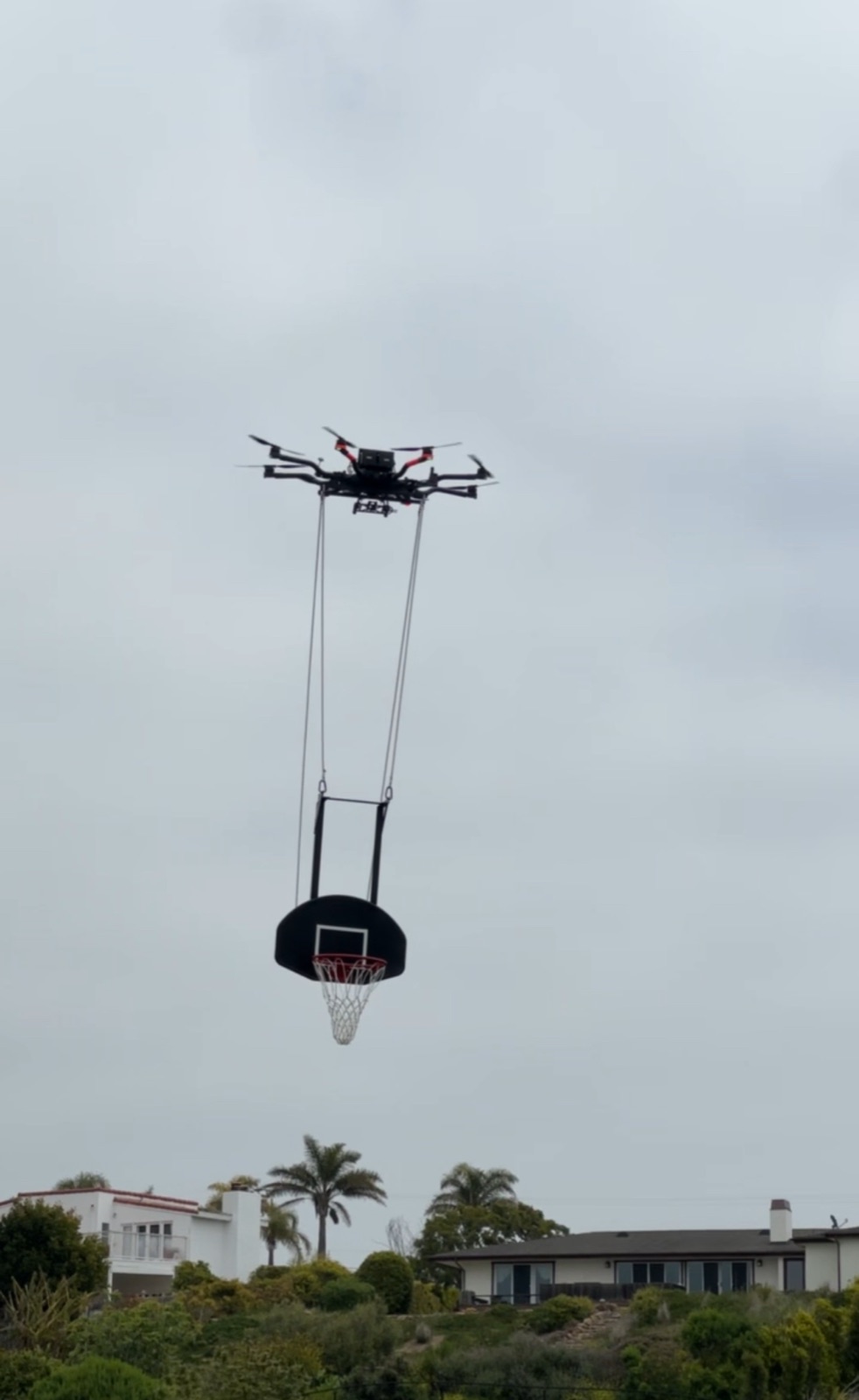
Hull and payload coverage. Coverage on the aircraft itself protects the operator, not you, but it tells you something about how the operation is run. The question that actually matters to production: what happens if the camera goes down with the aircraft? If the drone is carrying the production’s rented ARRI Alexa Mini on a heavy-lift platform, confirm in writing whose policy covers the camera in flight. Rental house equipment policies and production equipment floaters vary on aircraft-mounted gear. This is a five-minute conversation in prep and a very long conversation after an incident.
Workers’ compensation. The aerial unit is crew on your set. Confirm the operator carries workers’ comp for their own people.
The certificate, and the endorsements that make it real
The certificate of insurance is the document your production insurance team will actually read, and the requests that come back are predictable:
- Additional insureds. The production company, usually the parent studio or network, often the location owner, and on permitted work in Los Angeles, public agencies. Permits routinely require the city or county to be named. A single shoot can reasonably generate a certificate naming four or five entities.
- Waiver of subrogation. Prevents the operator’s insurer from pursuing the production after paying a claim. Studios ask for this as a matter of course.
- Primary and non-contributory wording. Puts the operator’s policy first in line ahead of the production’s own coverage.
- Certificate holder and notice provisions. So the production hears about a policy cancellation directly.
None of this is exotic. An operator who works studio productions issues these certificates constantly, and the requests process in days. The failure cases come from operators carrying consumer-grade or per-flight app-based coverage that cannot support additional insured endorsements at all, which is worth screening for before the booking, not after. Our producer’s vetting checklist for aerial units includes the insurance questions to ask up front.
The certificate that nearly cost a shoot day: two transposed digits
The closest we have come to losing an aerial day to paperwork was in late 2015, on the One Direction “Infinity” music video for Sony Pictures, scheduled for the Monday after Thanksgiving weekend. The Monday before, FilmLA’s insurance office sent the production its list for the drone company, at $2 million each occurrence: a certificate and an endorsement page naming “FilmL.A., Inc., its directors, officers, and employees” as additional insured; a certificate naming the City of Los Angeles, filed by the broker through the city’s Track4LA system; a certificate naming the production company; a schedule of the drones covered; and hold harmless forms from the production company and from us. The line at the bottom said the permit would not be released until every item was met.
The certificates went out the next day. Then FilmLA read the drone schedule against the plan of activities, and the two documents disagreed: the broker had transposed two digits of the aircraft’s N-number on the certificate. The plan had it right. The certificate named an aircraft that did not exist, and FilmLA would not clear the flight on it, however obvious the typo. The call came on the Wednesday before Thanksgiving, near close of business, with every office in the chain about to empty out for four days.
What saved the day was a working relationship. We had a broker who would pick up her cell phone on Thanksgiving Day, and she did. Then, on the Friday, the label’s insurers added a request of their own: a certificate naming “Sony Corporation of America and any of its divisions, subsidiaries and LLC’s” as additional insured, plus a drone questionnaire and a hold harmless. The brokerage was closed until Monday. The certificates landed in production’s inbox at 8:30 on the morning of the shoot. Production did not push. Nothing happened, which is the whole point of the paperwork. Without either fix there would have been no flight.
Two things follow from it. Every certificate and every drone schedule is read against the plan of activities before it goes to FilmLA, digit by digit, the way the permit office reads it. And our aviation policy now runs through SkyWatch as broker with Global Aerospace as the carrier, and certificates come back fast enough that a correction no longer needs a holiday phone call.
Hold harmless agreements and permit paperwork
On permitted Los Angeles work, insurance certificates travel with a second document set. FilmLA drone riders require FAA documentation and proof of insurance, and city and county agencies frequently require executed hold harmless and indemnification agreements for drone operations on their property. Beach and park work adds agency-specific versions. This paperwork has lead time, and it is part of why we treat aerial days as a pre-production workflow rather than a day-of booking. The full stack, permits, airspace, and insurance together, is laid out in our drone compliance checklist for LA productions.
Our standing process: all productions receive a written flight plan, safety meeting, and certificate of insurance before the first call. The certificate is issued with the endorsements your risk management team specifies, and we would rather receive the additional insured list in prep week than the night before the shoot.
Questions producers ask
Does a production’s general liability policy cover a drone?
Usually not. Standard commercial general liability commonly excludes aircraft, and a drone is an aircraft. The operator needs a UAS aviation liability policy of their own; the production’s policy is not the backstop, and a certificate that shows only general liability is the first thing a studio risk department sends back.
What happens if the N-number on the certificate does not match the plan of activities?
FilmLA treats it as the wrong aircraft. Two transposed digits stopped one of our shoots in 2015 until a corrected certificate was issued over a holiday weekend. Read the certificate against the plan before you send either document, and have the operator do the same.
How many additional insureds should a production expect on a drone COI?
Four or five is normal on permitted Los Angeles work: the production company, the parent studio or network, the location owner, and the public agencies the permit names. Each one is an endorsement, so the list should reach the operator in prep week.
How long does a corrected or new certificate take?
With a broker who works studio productions, days. With our current broker, less than that. The failure cases come from consumer-grade or per-flight coverage that cannot carry additional insured endorsements at all, which is worth screening for before the booking.
What this means when you are comparing bids
Two drone bids that look identical on rate can be very different purchases. The operator who carries production-grade aviation liability, issues studio-compliant certificates, and shows up with the hold harmless paperwork already familiar is selling you a shoot day that happens. The cheaper bid that cannot clear risk management is selling you a schedule problem. Insurance capacity is one of the quiet reasons studio-approved vendor lists exist, and it is a fair proxy for how the rest of the operation is run. Our guide on what to look for in a drone company in Los Angeles puts this in the wider vetting context.
Insurance is one chapter of our Los Angeles drone filming permit guide, which covers the FAA side, the ground permits, and lead times on one page.
Booking aerial work and need the certificate to clear without drama? Request a quote and send your additional insured requirements with the shoot details. The paperwork will be ready before the first call.