September 15, 2026 ·5 min read
By Jaron Denson, owner and aerial director of photography at Drone Tech Aerial. FAA Part 107 remote pilot, flying productions in Los Angeles since 2012.
Flying Drones Over People on Film Sets and at Live Events: How Part 107 Actually Works
The most common misunderstanding we correct in prep meetings is some version of “you have Part 107, so you can fly over the crew, right?” Part 107 certification is the license to operate commercially. Flight over people is a separate, specific set of rules, and for the cinema-class aircraft productions actually want in the air, the honest answer is that the shot gets designed around people, not over them, unless specific conditions are met.
This guide covers how the rules work and how they translate on a working set and at live events, written for producers, 1st ADs, and event organizers planning aerial coverage.
The 2021 framework in brief
Since April 2021, the FAA allows routine operations over people only for aircraft that fit one of four categories. Category 1 covers aircraft at or under 0.55 pounds with no exposed rotating parts that could lacerate skin. Categories 2 and 3 cover aircraft whose manufacturers have demonstrated, through an FAA-accepted declaration, that an impact stays under defined injury thresholds, with Category 3 carrying tighter operational limits, including a prohibition on sustained flight over open-air assemblies. Category 4 requires an airworthiness certificate.
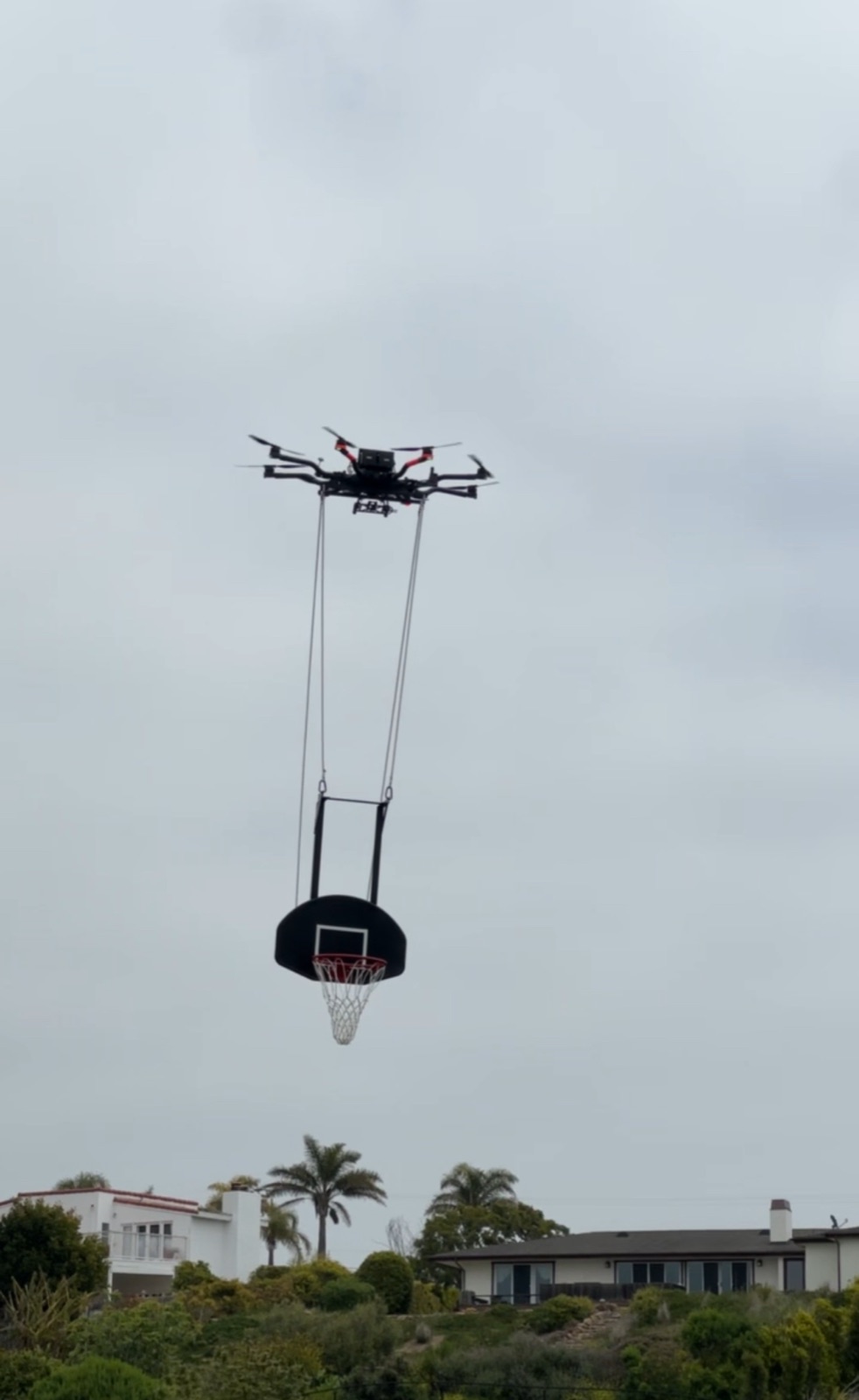
Here is the production-relevant part: cinema drones do not fit these categories. A DJI Inspire 3 with a Zenmuse X9 weighs several kilograms. A Freefly Alta 8 carrying an ARRI Alexa Mini weighs far more. No declaration of compliance makes a 20-pound camera platform safe to hover over a person, so none exists. Outside the categories, the mechanisms that remain are flight-path design, the rule’s specific exclusions, and FAA waivers of 107.39 for defined operations.
Who counts as “over people” on a set
The regulation excludes two groups from the over-people prohibition, and both matter on a production:
- People directly participating in the operation. This is narrower than “the crew.” It means the remote pilot, visual observers, and people necessary to the safety of the flight itself. A grip, a boom operator, or background talent are not direct participants just because they were briefed at the safety meeting.
- People under a covered structure or inside a stationary vehicle that can protect them from a falling aircraft. This exclusion does real work on sets: video village under a solid roof, crew inside vehicles, talent under practical cover can all be inside a flight line that would otherwise be prohibited.
Everything else is choreography. The aerial team, the 1st AD, and the DP work out flight lanes the way a crane arm gets worked out: where the aircraft can travel, where people hold during the shot, and who moves when. On our productions this is drawn before the day, briefed at the safety meeting, and enforced by the pilot and a visual observer during the take. It is the same discipline whether the location is a backlot or a berm at a desert race, where our flight lines are built to work over the course and never over spectators.
When a shot genuinely requires sustained flight over non-participants with a cinema platform, that is a 107.39 waiver conversation with the FAA, with lead time and an operational safety case attached. Those waivers exist and productions use them, but they are planned weeks out, not requested on the scout.
The Category 1 exception worth knowing about
There is one corner of the rule that opens creative doors instead of closing them: sub-250-gram FPV aircraft with ducted props, the cinewhoop class, can qualify for Category 1 and legally work over people, with Remote ID required for sustained flight over open-air assemblies (what that means on set is in our post on Remote ID for film sets). The image quality is action-camera class, not cinema class, but for fly-through moments, crowd-level energy, and transitions inside a venue, a Category 1 aircraft is the legal way to put a camera where nothing else can go. Cutting one into coverage flown on the cinema package is now a standard part of how event and music work gets built.
Live events and open-air assemblies
Concerts, festivals, and sports crowds are open-air assemblies, the most protected class in the rule. Sustained flight over them with anything heavier than the Category 1 and 2 classes is off the table without a waiver, and event insurers and venues are frequently stricter than the FAA. The playbook for live event aerial coverage is therefore about geometry: work from over the stage looking out, over water or hard exclusion zones looking in, along corridors the crowd cannot enter, and coordinate every aircraft in the plan. We covered the multi-drone version of that coordination, altitude blocks and agreed lanes, in our post on flying multiple drones at events. What insurers and venues ask for on paper is covered in drone insurance and COIs for film production.
None of this makes event aerials impractical. We have been covering live broadcast performance since flying P!nk’s American Music Awards performances for Dick Clark Productions, work that ran under a Part 107 night waiver in an era when both night flight and over-people operations were waiver-only. The rules have modernized since; night operations are covered in our night flight guide. What has not changed is that the operators who get hired for broadcast events are the ones who arrive with the flight geometry already solved.
What to ask your aerial unit
If you are vetting drone coverage for a set or an event, three questions sort the field quickly. What category is the aircraft, and if none, how is the flight path designed around non-participants? Who is the visual observer and how are exclusion zones enforced during takes? And has the operator flown this kind of environment before, because crowd and set geometry is learned, not improvised. The rest of the compliance stack lives in our drone compliance checklist for LA productions, and the service details for event work are on our live event drone coverage page.
Flight over people is one chapter of our Los Angeles drone filming permit guide, which covers the full approval stack with lead times.
Planning aerial coverage for a set day or a live event? Book a consultation and we will design the flight geometry against your floor plan, crowd map, and shot list.